
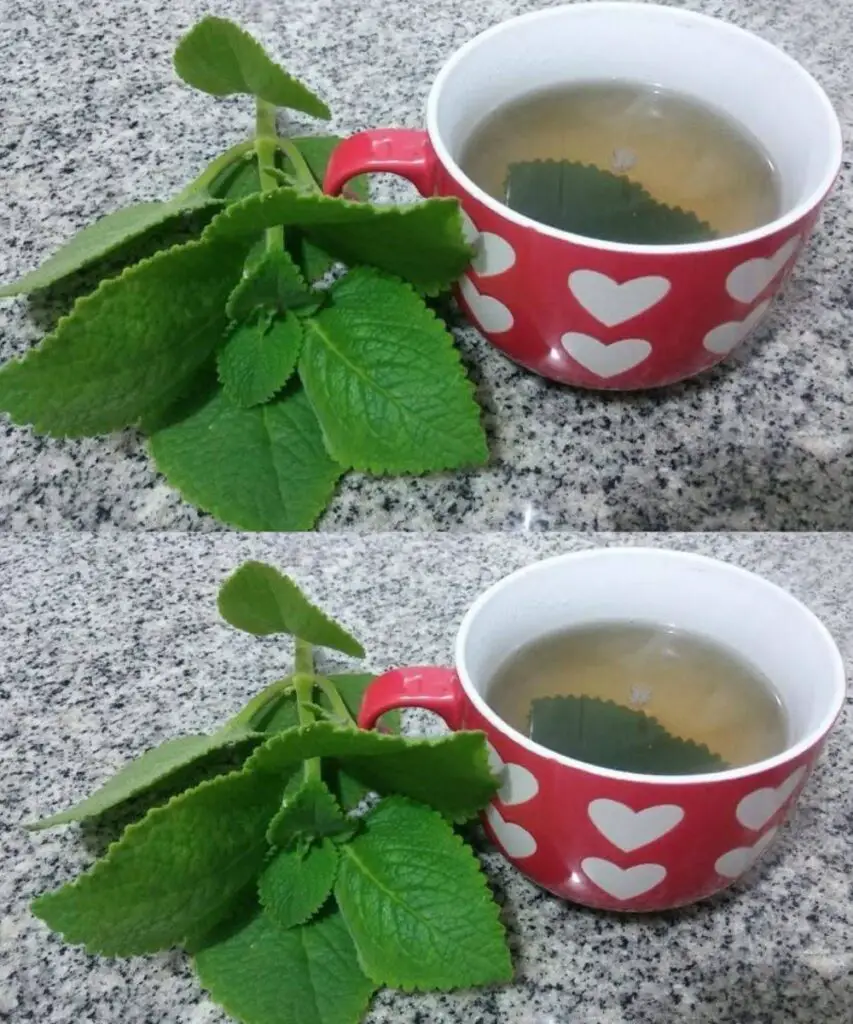
Adding oregano to your diet might seem like a small change, but it can have meaningful benefits—especially for seniors looking to support overall health. This fragrant Mediterranean herb is more than just a flavor enhancer; it has been valued for generations for its wellness properties. Incorporating oregano regularly into meals may help support immunity, digestion, heart health, and more.
I personally started sprinkling oregano on my meals after reading about its benefits for older adults. At first, it was just a flavor experiment, but over time I noticed meals felt more satisfying, my digestion seemed smoother, and it became a natural part of my daily routine. This simple herb added both taste and wellness support without requiring any major dietary changes.
Why Oregano Deserves a Place in Your Kitchen
Rich in Powerful Antioxidants
Oregano contains plant compounds like carvacrol and thymol, which act as antioxidants. Oxidative stress increases as we age, contributing to cellular damage and chronic conditions. By neutralizing free radicals, antioxidants in oregano can help protect cells and support long-term health.
You can easily add oregano to soups, roasted vegetables, salads, or pasta dishes. Both fresh and dried oregano work well, making it an easy herb to include in your diet.
Naturally Flavorful and Versatile
Beyond its health benefits, oregano is a simple way to add flavor without extra salt, sugar, or fat. Fresh, dried, or brewed as a tea, it can enhance the taste of almost any meal, from Mediterranean-inspired dishes to everyday comfort foods.
Its versatility also makes it a practical herb for seniors looking to improve their diet gradually without complicated recipes.
1. Supports Heart Health
How Oregano Helps the Heart
Cardiovascular wellness becomes more critical with age. Oregano contains compounds that may support healthy cholesterol levels, reduce inflammation, and improve circulation.
Incorporating Oregano for Cardiovascular Benefits
Use oregano as a seasoning on lean proteins, in vegetable sautés, or even in salad dressings. While it is not a replacement for prescribed treatments, it complements a heart-healthy diet rich in vegetables, whole grains, and healthy fats.
2. Enhances Immune Function
Strengthening the Body’s Defenses
Oregano has traditionally been used for its antimicrobial properties, supporting the immune system and helping the body fight off minor infections.
Easy Ways to Add It to Your Meals
Incorporate oregano into soups, stews, and teas. Even a small sprinkle over eggs or roasted vegetables can help bolster immune support.
3. Promotes Digestive Health
How Oregano Aids Digestion
Compounds in oregano may help soothe the digestive tract, improve gut health, and stimulate appetite. This is particularly useful for seniors, whose digestive function may slow with age.
Practical Tips for Use
Add oregano to cooked vegetables, sauces, or sprinkle over grains. Brewing a warm oregano tea after meals can also support digestion naturally.
4. Anti-Inflammatory Properties
Reducing Age-Related Inflammation
Chronic inflammation is common as we age, contributing to joint pain, cardiovascular issues, and other health concerns. Oregano contains natural compounds that may help reduce inflammation.
How to Benefit
Include oregano in daily cooking, using it in marinades, salads, or as a seasoning for proteins. Its anti-inflammatory properties complement other healthy lifestyle choices, such as exercise and a balanced diet.
5. Easy and Affordable Way to Boost Nutrition
Cost-Effective Health Support
Oregano is widely available, inexpensive, and lasts a long time when dried. A small amount goes a long way in boosting both flavor and nutrient content.
Incorporating It Into Your Daily Routine
Try adding oregano to eggs, soups, roasted vegetables, or pasta dishes. Even a teaspoon a day can contribute to daily antioxidant intake and overall wellness.
Frequently Asked Questions
Can oregano replace medications?
No, oregano supports health but should not replace prescribed treatments. Always consult your healthcare provider.
Is fresh or dried oregano better?
Both have benefits; dried oregano is more concentrated, while fresh adds flavor and nutrients.
How much should seniors consume daily?
A small sprinkle in meals is sufficient, usually 1–2 teaspoons, but adjust based on taste and preference.
Can oregano help with digestion naturally?
Yes, it may help soothe the digestive tract and support gut health.
Is oregano safe with other herbs or supplements?
Generally yes, but consult your healthcare provider if you are taking medications.
Conclusion
Adding oregano to a senior-friendly diet is a simple, practical step with surprising benefits. From supporting heart and immune health to enhancing digestion and reducing inflammation, this versatile herb can complement a balanced, nutrient-rich lifestyle. Small, consistent habits like sprinkling oregano on your meals can make a meaningful difference in overall wellness and quality of life.