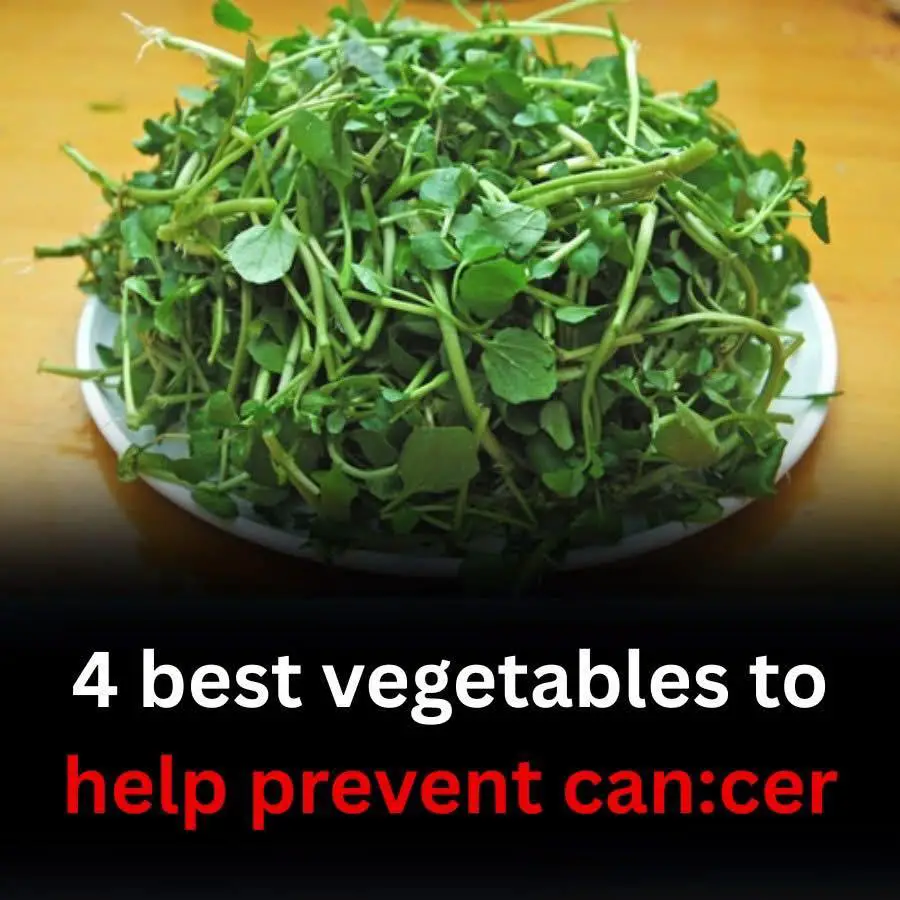
No single food can prevent cancer. However, decades of research consistently show that diets rich in vegetables—especially colorful and cruciferous varieties—are associated with a lower risk of several cancers, including colorectal, breast, lung, and prostate.
Here are four vegetables that stand out for their powerful protective compounds.
1️⃣ Broccoli (and Other Cruciferous Vegetables)
Key Compound: Sulforaphane
Broccoli, cauliflower, Brussels sprouts, kale, and cabbage belong to the cruciferous vegetable family. These vegetables are rich in glucosinolates, which convert into sulforaphane when chopped or chewed.
How It May Help:
- Supports the body’s natural detoxification enzymes
- Reduces inflammation
- May help slow abnormal cell growth
- Linked to lower colorectal and prostate cancer risk in observational studies
✅ How to Eat It:
- Lightly steam instead of overcooking
- Chop and let sit for 30–40 minutes before cooking to maximize sulforaphane formation
- Enjoy raw in salads or slaws
2️⃣ Carrots
Key Compounds: Beta-carotene + Polyacetylenes
Carrots are rich in antioxidants, particularly beta-carotene, which the body converts to vitamin A.
How They May Help:
- Neutralize free radicals that damage cells
- Support immune function
- Associated with reduced risk of lung and colorectal cancers in some population studies
Polyacetylenes in carrots have also shown anti-cancer properties in laboratory research.
✅ How to Eat Them:
- Raw with hummus
- Lightly roasted
- Added to soups and stews
- Paired with healthy fats (like olive oil) to enhance absorption of beta-carotene
3️⃣ Spinach (and Leafy Greens)
Key Compounds: Folate, lutein, chlorophyll
Dark leafy greens like spinach provide essential nutrients involved in DNA repair and cellular protection.
How They May Help:
- Folate supports healthy cell division
- Chlorophyll may bind certain carcinogens in the digestive tract
- Linked to lower risk of digestive cancers
✅ How to Eat It:
- Fresh in salads
- Lightly sautéed
- Blended into smoothies
- Added to omelets or soups
4️⃣ Garlic
Key Compound: Allicin
Garlic belongs to the allium family (along with onions and leeks). When crushed or chopped, it produces allicin, a sulfur-containing compound with strong biological activity.
How It May Help:
- Supports immune function
- May inhibit growth of certain cancer cells in lab studies
- Associated with reduced stomach and colorectal cancer risk in some studies
✅ How to Eat It:
- Crush and let sit 10 minutes before cooking
- Use fresh rather than pre-minced when possible
- Add near the end of cooking to preserve beneficial compounds
🥦 The Bigger Picture
While these vegetables contain powerful compounds, cancer prevention is about overall lifestyle patterns—not one “superfood.”
Research consistently supports:
- A diet rich in diverse vegetables and fruits
- Whole grains and legumes
- Limited processed and red meats
- Regular physical activity
- Maintaining a healthy weight
- Avoiding tobacco
⚠️ Important Reminder
These vegetables may help lower risk—but they do not prevent or cure cancer. If you have concerns about cancer risk or symptoms, consult a healthcare professional for screening and personalized advice.
🌿 Final Thought
Adding more colorful vegetables to your plate is one of the simplest, most evidence-based steps you can take for long-term health. Aim for variety, balance, and consistency.
Your daily meals are one of your most powerful tools for protecting your future health.