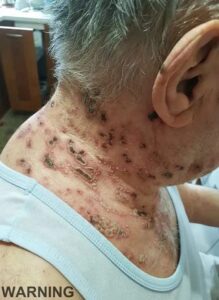

Waking up with itchy red bumps can be frustrating, confusing, and even a little frightening. You go to bed feeling perfectly fine, only to discover irritated skin the next morning and wonder what happened while you were asleep.
Although many skin conditions can cause similar symptoms, repeated bites that appear after sleeping deserve a closer look. One possible explanation is bed bugs, but they are not the only cause. Allergies, mosquitoes, fleas, and several skin conditions can create similar reactions, so it’s important not to jump to conclusions.
The good news is that discovering the cause is often much easier than people expect. By carefully inspecting your sleeping area and paying attention to your symptoms, you can begin narrowing down the source and take the right steps to solve the problem.
Bed Bugs: A Common Cause of Nighttime Bites
Bed bugs are tiny reddish-brown insects that feed on human blood while people sleep. Because they hide during the day, many homeowners never notice them until bite marks begin appearing regularly.
These insects prefer dark, narrow hiding places such as:
- Mattress seams and edges
- Box springs
- Bed frames
- Headboards
- Furniture cracks
- Behind loose wallpaper
- Around electrical outlets
- Curtain folds and carpet edges
Their flat bodies allow them to squeeze into incredibly small spaces, making them difficult to spot without a careful inspection.
Recognizing Bed Bug Bites
Bed bug bites often appear as:
- Small red itchy bumps
- Groups of bites close together
- Straight or zigzag lines of bites
- Bites on exposed skin such as:
- Arms
- Neck
- Shoulders
- Hands
- Legs
However, not everyone reacts the same way. Some people develop large itchy welts, while others may show almost no visible reaction at all. Because of this, bite marks alone cannot confirm the presence of bed bugs.
Instead, experts recommend looking for additional evidence before deciding what treatment is needed.
Other Possible Causes of Morning Bumps
Although bed bugs receive the most attention, they are far from the only possible explanation for itchy skin after sleeping.
Fleas
If you have cats or dogs, fleas could be responsible. Flea bites usually appear around the ankles and lower legs, although they may occur elsewhere if pets sleep on the bed.
Common signs include:
- Pets scratching frequently
- Tiny black flea dirt on pet bedding
- Small clusters of itchy bites near the feet
Mosquitoes
Mosquito bites usually appear randomly rather than in neat lines. If windows are left open or there is standing water nearby, mosquitoes may be entering your bedroom overnight.
Allergic Reactions
Sometimes there are no insects at all.
A new laundry detergent, fabric softener, mattress protector, blanket, or pillow can trigger contact dermatitis that looks remarkably similar to insect bites.
Possible clues include:
- Red patches instead of isolated bumps
- Widespread itching
- Symptoms beginning after changing laundry products
- Improvement after switching to fragrance-free products
Eczema or Dermatitis
Dry, irritated skin can flare during the night, especially during winter or in dry climates.
Unlike insect bites, eczema usually develops gradually and produces dry, flaky patches instead of isolated bumps.
Scabies
Scabies is caused by microscopic mites that burrow into the skin.
Typical symptoms include:
- Severe itching at night
- Thin winding burrow marks
- Rash between fingers, wrists, waistline, or elbows
Scabies requires prescription treatment from a healthcare professional.
How to Inspect Your Bedroom
If you suspect bed bugs, stay calm and perform a careful inspection.
Step 1: Remove the Bedding
Strip the bed completely.
Place sheets, blankets, and pillowcases into sealed plastic bags before washing.
Wash using the hottest water safe for the fabric, then dry on high heat for at least 30 minutes.
Step 2: Examine the Mattress
Using a bright flashlight, inspect every seam and fold.
Look carefully for:
- Tiny reddish-brown insects
- Small white eggs
- Shed skins
- Black or rusty-colored spots
- Small blood stains
Pay extra attention to stitched edges where bugs often hide.
Step 3: Check the Bed Frame
Inspect:
- Screw holes
- Wooden joints
- Headboards
- Cracks
- Underneath the bed
Bed bugs prefer dark spaces that remain undisturbed.
Step 4: Expand Your Search
If nothing appears on the mattress, continue checking:
- Nightstands
- Upholstered furniture
- Curtains
- Baseboards
- Behind picture frames
- Electrical outlet covers
Large infestations often spread beyond the bed itself.
What To Do If You Find Bed Bugs
Finding evidence of bed bugs can feel overwhelming, but the situation is manageable.
Wash Everything
Clean all washable fabrics using hot water followed by high-heat drying.
Heat is one of the most effective ways to kill bed bugs and their eggs.
Vacuum Thoroughly
Vacuum:
- Mattress seams
- Box springs
- Bed frames
- Carpets
- Furniture
- Baseboards
Dispose of the vacuum bag immediately afterward in an outdoor trash container.
Reduce Clutter
Clutter provides additional hiding places.
Organizing the room makes professional treatment much more effective.
Install Mattress Encasements
Certified bed bug-proof mattress and box spring covers trap any remaining insects inside while preventing new ones from entering.
These covers also make future inspections much easier.
Avoid Bug Bombs
Foggers and bug bombs rarely eliminate infestations.
Instead, they often drive insects deeper into walls and hidden spaces while exposing occupants to unnecessary chemicals.
Contact a Licensed Pest Control Professional
Professional exterminators have specialized equipment and treatment methods that reach areas homeowners cannot.
Modern treatments may include:
- Heat treatment
- Steam treatment
- Targeted insecticides
- Multiple follow-up inspections
Professional treatment usually provides the fastest and most reliable solution.
Frequently Asked Questions
Can bed bugs spread diseases?
Current evidence indicates that bed bugs are not known to transmit diseases to humans. Their bites can cause itching, allergic reactions, and skin irritation, but scratching excessively may lead to secondary skin infections.
Can I get rid of bed bugs myself?
Small infestations may improve with thorough cleaning, vacuuming, laundering bedding on high heat, and using mattress encasements. However, larger infestations often require professional pest control because bed bugs hide deep inside furniture, walls, and tiny cracks.
Are bed bugs caused by poor hygiene?
No. Bed bugs are not attracted to dirt or clutter—they are attracted to people. Even spotless homes, luxury hotels, hospitals, and apartment buildings can experience infestations because the insects travel on luggage, clothing, furniture, and other personal belongings.
How long do bed bug bites last?
Most bites improve within one to two weeks. Over-the-counter anti-itch creams, oral antihistamines, or calamine lotion may help relieve discomfort. If swelling becomes severe or signs of infection develop, seek medical advice.
How can I prevent bringing bed bugs home?
Simple habits can greatly reduce the risk:
- Inspect hotel mattresses while traveling.
- Keep luggage off beds and carpeted floors.
- Wash travel clothing in hot water after returning home.
- Examine secondhand furniture carefully before bringing it indoors.
- Vacuum luggage before storing it.
When Should You See a Doctor?
Although most insect bites heal on their own, medical attention is recommended if you experience:
- Fever or chills
- Increasing redness or warmth around bites
- Pus or drainage
- Severe allergic reactions
- Difficulty breathing
- Persistent rash with no obvious cause
- Intense nighttime itching that continues for several weeks
A healthcare provider can determine whether your symptoms are caused by insects, allergies, eczema, scabies, or another skin condition.
Tips for Keeping Your Bedroom Pest-Free
Good household habits make your bedroom less inviting to unwanted pests.
Helpful practices include:
- Wash bedding weekly in hot water.
- Vacuum mattresses and carpets regularly.
- Reduce clutter around the bed.
- Seal cracks in walls and baseboards.
- Inspect luggage after traveling.
- Avoid bringing untreated secondhand furniture indoors.
- Use protective mattress encasements if you’ve previously dealt with bed bugs.
These simple routines also make early detection much easier.
Final Thoughts
Finding itchy bumps after sleeping can certainly be unsettling, but it’s important to remember that bed bugs are only one of several possible explanations. Allergies, mosquitoes, fleas, eczema, and other skin conditions may produce similar symptoms.
Rather than assuming the worst, take a calm, methodical approach. Inspect your sleeping area, watch for additional signs, and seek professional help if evidence of bed bugs is found. Early action usually prevents a small issue from becoming a larger infestation.
Most importantly, don’t blame yourself. Bed bugs can affect anyone, regardless of how clean or organized their home may be. They are hitchhiking insects, not a reflection of personal hygiene.
With careful inspection, proper treatment, and a little patience, you can restore your bedroom to the comfortable, restful space it should be.
A peaceful night’s sleep is absolutely possible again.