
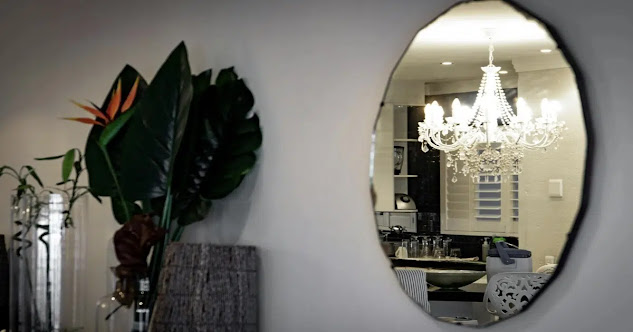
There’s something uniquely peaceful about the moments before bedtime. The lights are dim, the world outside grows quiet, and your bedroom becomes a place of comfort after a busy day. Yet many people have experienced an oddly unsettling moment when they glance at a mirror in the dark. What seemed like an ordinary reflection during the day suddenly appears mysterious, almost as if the room has changed.
For centuries, people from different cultures have shared the tradition of covering mirrors at night. Some believed mirrors held spiritual significance, while others simply felt more comfortable sleeping without a reflective surface nearby. Interestingly, modern psychology suggests there may be practical reasons why this old custom still resonates today.
If you’ve ever wondered why this tradition has survived through generations, you’re not alone. Let’s explore the fascinating history, the science behind nighttime reflections, and the surprisingly simple ways covering a mirror may contribute to a calmer, more restful night’s sleep.
Mirrors Through History: More Than Just Reflections
Long before mirrors became decorative household items, they were considered mysterious objects. Their ability to perfectly reflect reality made many ancient civilizations believe they possessed special powers.
Mirrors in Ancient Beliefs
Across Europe, Asia, and the Middle East, mirrors often symbolized gateways between worlds. While each culture interpreted their meaning differently, many agreed that nighttime was a moment when mirrors deserved special respect.
Some believed mirrors could capture energy. Others thought they reflected not only physical appearances but also emotions or spiritual presence. Whether these beliefs were literal or symbolic, mirrors earned an important place in cultural traditions.
One well-known example comes from Victorian mourning customs. Families commonly covered mirrors after the death of a loved one. According to tradition, this prevented the deceased’s spirit from becoming trapped or distracted during its journey.
Although modern science doesn’t support these supernatural explanations, the rituals themselves offered comfort during emotionally difficult times.
The Jewish Tradition of Shiva
One of the most meaningful mirror-covering customs appears during Shiva, the Jewish mourning period.
When family members gather to mourn, mirrors inside the home are traditionally covered. This practice shifts attention away from personal appearance and encourages inward reflection rather than outward presentation.
The purpose isn’t fear or superstition. Instead, it’s a symbolic reminder that grief deserves full attention without concerns about vanity or social image.
Many people find this tradition deeply moving because it transforms an ordinary household object into a meaningful symbol of healing and remembrance.
Why Mirrors Can Feel Unsettling at Night
Even if you don’t believe in ancient folklore, many people still admit that mirrors can feel strangely unsettling after dark. Interestingly, psychology offers a simple explanation that has nothing to do with ghosts or the supernatural.
The Brain Loves to Fill in the Blanks
Humans are naturally wired to recognize faces. This ability helped our ancestors survive by quickly identifying friends, family members, or potential threats.
However, this remarkable skill also has an unexpected side effect called pareidolia—the tendency to see meaningful patterns, especially faces, where none actually exist.
At night, your bedroom is filled with shadows and low light. When your tired brain catches a glimpse of a dark mirror, it begins searching for familiar shapes. A hanging jacket, an open closet door, or even your own reflection can briefly appear as another person standing in the room.
Within a second, your logical brain realizes nothing is there, but that tiny burst of surprise is enough to trigger a quick spike of adrenaline.
This explains why many people suddenly feel uneasy after looking into a mirror during the middle of the night, even though they know perfectly well they’re alone.
The Strange “Mirror Illusion”
Researchers studying perception have discovered something even more fascinating.
When people stare into a mirror for several minutes in dim lighting, the brain gradually begins altering facial details. Features may appear distorted, unfamiliar, or strangely expressive.
Scientists believe this happens because the brain constantly adapts to unchanging visual information. As it fills in missing details, temporary visual distortions occur.
Although harmless, these illusions can feel surprisingly realistic, especially when you’re tired.
This may help explain why mirrors have inspired mysterious stories for thousands of years.
Feng Shui and Bedroom Mirrors
Ancient Chinese Feng Shui approaches mirrors from an entirely different perspective.
Rather than focusing on spirits, Feng Shui views mirrors as powerful reflectors of Chi, or life energy.
Why Mirrors Matter in Feng Shui
During the daytime, mirrors are considered beneficial because they:
- Reflect natural sunlight.
- Make small rooms appear larger.
- Increase brightness.
- Encourage energy to circulate.
Bedrooms, however, serve a completely different purpose.
Instead of activity, the bedroom should promote:
- Rest
- Recovery
- Calmness
- Emotional balance
Because mirrors constantly reflect movement, Feng Shui practitioners believe they keep energy circulating when it should instead become still.
For this reason, many recommend avoiding mirrors that directly face the bed.
A Simple Adjustment
If removing the mirror isn’t practical, many Feng Shui enthusiasts simply cover it before bedtime using:
- A lightweight scarf
- A linen cloth
- Decorative fabric
- Folding screen
- Closet door (if available)
Whether or not you embrace Feng Shui, many people report that eliminating reflections creates a noticeably calmer sleeping environment.
Practical Sleep Benefits of Covering a Mirror
Modern sleep experts focus less on symbolism and more on environmental factors that affect rest.
Surprisingly, covering a bedroom mirror may improve sleep quality in several simple ways.
It Reduces Reflected Light
Even tiny amounts of light can interfere with melatonin production.
Mirrors bounce light from:
- Street lamps
- Hallway lighting
- Alarm clocks
- Phone chargers
- Television standby lights
Covering the reflective surface reduces these distractions, allowing the room to remain darker throughout the night.
A darker room helps your brain maintain its natural sleep cycle.
It Minimizes Startle Responses
Imagine waking briefly at 3:00 a.m.
Your eyes open.
Across the room, you notice what looks like someone standing in the darkness.
Half a second later you realize it’s only your own reflection.
That brief confusion may completely interrupt your return to sleep.
Removing the reflection removes the possibility altogether.
It Creates a Mental Boundary
Many psychologists believe bedtime rituals help train the brain to transition into sleep.
Simple routines like:
- Closing curtains
- Turning off electronics
- Reading a few pages
- Dimming lights
- Covering a mirror
all send a similar message:
“The day is over.”
These consistent habits encourage relaxation by creating predictable cues that it’s time for rest.
Less Visual Clutter Means More Relaxation
Bedrooms often contain many visual distractions.
Mirrors double everything they reflect, making a room appear busier than it actually is.
By covering the mirror, the room often feels:
- Softer
- Simpler
- Warmer
- More peaceful
Even this subtle change can contribute to a greater sense of calm before sleep.
Frequently Asked Questions
Is there any scientific proof that covering a mirror improves sleep?
There is no scientific evidence showing that covering a mirror directly improves sleep quality. However, mirrors can reflect light from windows, electronics, or hallway lamps, which may make a room brighter. They can also create visual distractions if you wake during the night. If covering a mirror helps your bedroom feel darker and more relaxing, it can become part of a healthy bedtime routine, even if the benefits are mainly psychological.
Can a mirror really cause nightmares?
There is no evidence that mirrors themselves cause nightmares. Dreams are influenced by many factors, including stress, sleep quality, medications, and emotional experiences. However, if seeing your reflection in dim light makes you anxious before falling asleep, that anxiety could make it harder to relax. Removing or covering the mirror may help some people feel more comfortable at bedtime.
Should a mirror face the bed?
From a medical standpoint, there is no rule that says a mirror should or should not face your bed. In Feng Shui, many practitioners recommend avoiding mirrors directly opposite the bed because they believe mirrors keep energy active instead of restful. Whether you follow Feng Shui or not, the most important factor is choosing a bedroom layout that helps you feel calm and sleep well.
Is covering a mirror only for spiritual reasons?
Not at all. While many traditions connect covered mirrors with spiritual beliefs or mourning customs, plenty of people do it for practical reasons. Covering a mirror can reduce reflected light, eliminate unexpected reflections in the dark, make a room feel cozier, and even create a relaxing bedtime ritual. You don’t need to believe in folklore to enjoy these practical benefits.
What is the best way to cover a bedroom mirror?
The simplest method is often the best. Use a lightweight cotton cloth, linen scarf, decorative throw, or another breathable fabric that completely covers the reflective surface. Some people prefer folding screens or decorative room dividers if they want a more permanent solution. Whatever you choose, make sure it complements your bedroom and creates an atmosphere that feels peaceful and inviting.
A Peaceful Ending to an Ancient Tradition
Whether you see mirrors as beautiful decorative pieces, fascinating historical symbols, or simply everyday household objects, one thing remains true: your bedroom should be a place where your mind feels completely at ease.
The tradition of covering mirrors has survived for centuries because it offers something people have always valued—a greater sense of comfort before sleep. Ancient cultures explained it through spirituality and symbolism, while modern psychology points to our brain’s natural tendency to react to reflections and shadows. Both perspectives, in their own way, recognize that our environment influences how safe and relaxed we feel.
If you’ve ever found yourself glancing nervously at a mirror in the middle of the night, know that you’re far from alone. Your brain is simply doing what it has evolved to do—making sense of limited information in the dark. There’s nothing unusual or irrational about that response.
At the same time, small evening rituals often have remarkable power. Drawing the curtains, dimming the lights, putting away your phone, reading a few pages of a favorite book, or gently covering a mirror can all become comforting signals that tell your body the day is finished.
You don’t have to believe in ancient legends to appreciate the quiet comfort these traditions can provide.
Sometimes, the simplest changes make the biggest difference.
Tonight, if you feel curious, try draping a soft scarf or lightweight cloth over your bedroom mirror before turning out the lights. Notice how the room feels. If it helps you relax even a little more, you’ve discovered a bedtime ritual that’s been quietly helping people unwind for generations.
After all, peaceful sleep isn’t about superstition.
It’s about creating a space where your mind feels safe enough to let go, your body feels ready to rest, and each new morning begins with a little more calm than the night before.