
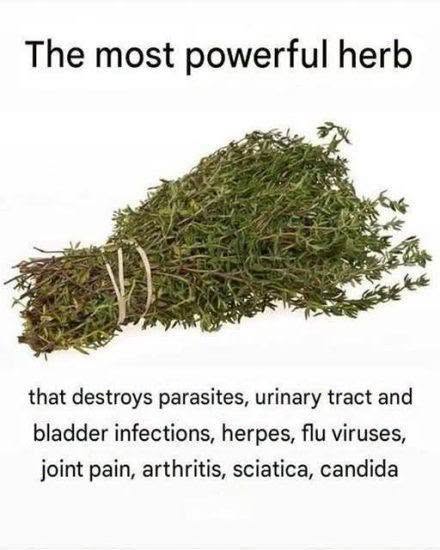
Oregano has been a kitchen favorite for centuries, adding its distinctive aroma and flavor to soups, pasta sauces, roasted vegetables, and countless Mediterranean dishes. Beyond its culinary appeal, this familiar herb has also been valued in traditional herbal practices for generations.
In recent years, oregano—particularly oregano oil—has attracted attention on social media, where it’s sometimes promoted as a cure for a wide range of illnesses. While oregano contains naturally occurring compounds that researchers continue to study, it’s important to separate scientific evidence from exaggerated claims.
Used appropriately, oregano can be a flavorful addition to meals and may provide supportive health benefits as part of a balanced lifestyle.
What Makes Oregano Unique?
The common culinary oregano (Origanum vulgare) contains several naturally occurring plant compounds, including carvacrol and thymol.
These substances help protect the plant in nature and have demonstrated antimicrobial, antioxidant, and anti-inflammatory activity in laboratory research. Scientists continue studying how these compounds may contribute to human health, although laboratory findings do not always translate directly into clinical results.
Because of these natural compounds, oregano has long been included in traditional herbal remedies throughout Europe and the Mediterranean region.
Traditional Health Benefits
Throughout history, oregano has commonly been used to support:
- Digestive comfort
- Respiratory wellness
- General immune function
- Antioxidant intake
- Overall well-being
While many of these traditional uses remain popular today, oregano should be viewed as a supportive herb rather than a replacement for professional medical treatment.
Oregano and Digestive Health
Many people enjoy oregano after meals because it has traditionally been used to support digestion.
Some research suggests that oregano’s natural compounds may help maintain a healthy balance of microorganisms within the digestive tract. Its aromatic oils may also contribute to digestive comfort after large or heavy meals.
Enjoying oregano as a seasoning or herbal tea is a simple way to include it in a healthy diet.
Supporting the Immune System
Oregano also contains antioxidants, which help protect cells from damage caused by normal metabolic processes and environmental stress.
Many people enjoy oregano tea during cold weather as a warm, comforting beverage. While oregano is not a cure for colds or flu, drinking warm herbal tea may help soothe the throat and encourage hydration during seasonal illnesses.
Maintaining a healthy immune system depends on many factors, including:
- Balanced nutrition
- Adequate sleep
- Regular physical activity
- Stress management
- Proper hydration
Herbs such as oregano can be one small part of an overall healthy lifestyle.
Using Oregano Safely in Everyday Life
One of oregano’s greatest strengths is its versatility. Whether you grow it in your garden or keep a jar in your spice cabinet, there are several easy ways to enjoy its flavor and potential health benefits.
Cooking With Oregano
Adding dried or fresh oregano to meals is the safest and most common way to consume it.
It pairs well with:
- Tomato sauces
- Pizza
- Roasted vegetables
- Chicken and fish
- Soups and stews
- Salads
- Homemade bread
- Mediterranean dishes
Besides enhancing flavor, oregano contributes antioxidants and beneficial plant compounds without requiring large amounts.
Oregano Tea
Many people enjoy oregano tea as a traditional herbal beverage.
To prepare it:
- Add one teaspoon of dried oregano leaves to a cup.
- Pour hot water over the leaves.
- Allow it to steep for 5 to 10 minutes.
- Strain and enjoy.
Some people add lemon or honey for additional flavor.
While research on oregano tea remains limited, it can be a warm, comforting drink during colder months or after heavy meals.
Understanding Oregano Oil
Oregano essential oil is far more concentrated than the dried herb used in cooking.
Because it contains high levels of active compounds, it should always be used carefully.
Important safety guidelines include:
- Never drink undiluted essential oil.
- Follow product instructions carefully.
- Dilute topical preparations with a carrier oil before applying to the skin.
- Avoid contact with the eyes and sensitive tissues.
- Keep out of reach of children.
People considering oregano supplements should consult a healthcare professional, particularly if they are pregnant, breastfeeding, taking medications, or managing chronic health conditions.
Can Oregano Treat Infections?
Laboratory studies have shown that oregano compounds can inhibit the growth of certain bacteria and fungi under controlled conditions.
However, laboratory findings should not be confused with proven medical treatments.
Oregano should never replace antibiotics or other medications prescribed by a healthcare professional for conditions such as:
- Urinary tract infections (UTIs)
- Pneumonia
- Severe bacterial infections
- Viral illnesses
- Serious fungal infections
Anyone experiencing persistent symptoms or signs of infection should seek appropriate medical evaluation.
Growing Your Own Oregano
Oregano is one of the easiest herbs to grow at home.
It thrives in:
- Full sunlight
- Well-drained soil
- Containers
- Raised beds
- Herb gardens
Once established, oregano requires relatively little maintenance and continues producing flavorful leaves throughout much of the growing season.
Fresh oregano can be harvested regularly and used immediately or dried for later use.
Different Forms of Oregano
| Form | Common Uses |
|---|---|
| Fresh leaves | Cooking, salads, garnish |
| Dried oregano | Seasoning meals, herbal tea |
| Oregano tea | Traditional digestive and seasonal comfort |
| Oregano extract | Dietary supplement when used appropriately |
| Essential oil | Aromatherapy or diluted topical use only |
Each form offers different applications, but moderation and proper use remain important.
Frequently Asked Questions
Can I drink oregano tea every day?
For most healthy adults, enjoying oregano tea occasionally as part of a balanced diet is generally considered safe. However, drinking large amounts of any herbal tea for extended periods is not usually recommended without guidance from a healthcare professional. Moderation is always the best approach.
Is oregano oil stronger than dried oregano?
Yes. Oregano essential oil is highly concentrated and contains much larger amounts of active compounds than the dried herb used in cooking. Because of its strength, essential oil should never be consumed undiluted and should always be used according to product directions or under professional guidance.
Are there people who should avoid oregano supplements?
Some individuals should speak with their healthcare provider before using oregano supplements or concentrated extracts. This includes pregnant or breastfeeding women, people taking blood-thinning medications, individuals preparing for surgery, and anyone with allergies to plants in the mint family.
Can oregano replace prescription medication?
No. Although oregano contains beneficial plant compounds and has shown promising results in laboratory studies, it should not replace medications prescribed by a healthcare provider. Anyone with symptoms of a bacterial infection, urinary tract infection, or another serious illness should seek proper medical care.
Tips for Including Oregano in a Healthy Lifestyle
Adding oregano to your daily routine doesn’t have to be complicated.
Some simple ideas include:
- Sprinkle dried oregano over roasted vegetables.
- Add fresh leaves to salads.
- Season soups and stews.
- Mix oregano into homemade pasta sauces.
- Use it when grilling chicken or fish.
- Grow a small oregano plant in a sunny kitchen window for fresh herbs year-round.
Using herbs to flavor meals can also help reduce the need for excessive salt while adding natural flavor and variety.
A Balanced Perspective on Herbal Remedies
Herbs have played an important role in traditional wellness practices across many cultures. Oregano is one example of a plant that has earned its reputation through centuries of culinary and traditional use.
At the same time, it’s important to remember that no single herb can prevent or cure every illness. Good health depends on a combination of nutritious food, regular physical activity, adequate sleep, stress management, routine medical care, and healthy lifestyle choices.
When viewed as one piece of a balanced approach to wellness, oregano can be a flavorful and enjoyable addition to everyday life.
Final Thoughts
Oregano is far more than a common kitchen seasoning. Rich in aromatic compounds and antioxidants, it has been appreciated for generations for both its culinary value and its traditional wellness uses.
Whether sprinkled over your favorite meal, brewed into a comforting cup of herbal tea, or grown fresh in your own garden, oregano offers an easy way to add flavor and beneficial plant compounds to your daily routine.
While scientific research continues to explore its potential health properties, oregano should always complement—not replace—evidence-based medical care. Used wisely and in moderation, this humble herb remains a wonderful example of how simple ingredients from nature can contribute to a healthy lifestyle.
End of Article