
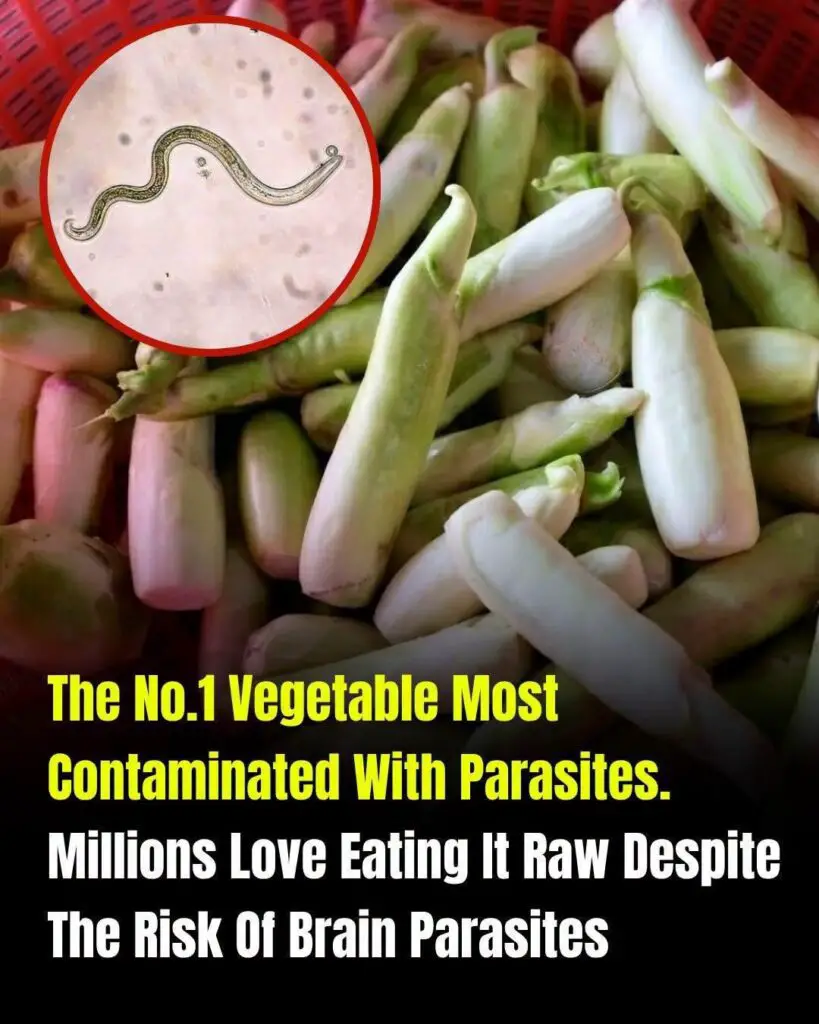
Fresh vegetables are among the healthiest foods you can eat, providing essential vitamins, minerals, fiber, and antioxidants that support overall well-being. However, like all fresh foods, produce can sometimes become contaminated before it reaches your kitchen. While the risk of foodborne illness is relatively low, understanding how contamination occurs and learning proper food handling practices can greatly reduce that risk.
Food safety experts have identified certain vegetables that are more likely to be associated with outbreaks of parasites or harmful bacteria because of the way they are grown and consumed. Fortunately, this doesn’t mean you should avoid these nutritious foods. With proper washing, storage, and preparation, you can continue enjoying them safely.
Why Some Vegetables Carry Higher Risks
Certain vegetables naturally have a greater chance of coming into contact with contaminants during growing, harvesting, or packaging.
Leafy greens such as romaine lettuce, spinach, kale, and arugula grow close to the soil, where irrigation water, wildlife, or contaminated soil can introduce harmful microorganisms.
Fresh herbs—including cilantro, parsley, basil, and mint—are often handled multiple times during harvesting and packaging, increasing opportunities for contamination.
Sprouts, including alfalfa, bean sprouts, and radish sprouts, grow in warm, humid environments that can also encourage bacterial growth if contamination occurs early in production.
Green onions and scallions are another example because portions of the plant develop directly in soil where microorganisms may be present.
Although these foods have occasionally been linked to foodborne illness outbreaks, the overwhelming majority are perfectly safe when properly handled.
Understanding Possible Contaminants
Several different microorganisms may contaminate fresh produce, including:
- Cyclospora, a microscopic parasite that can cause prolonged diarrhea.
- Salmonella, a bacterium associated with gastrointestinal illness.
- Escherichia coli (E. coli), certain strains of which can cause severe digestive symptoms.
- Listeria monocytogenes, particularly concerning for pregnant women, older adults, and people with weakened immune systems.
Contamination typically occurs before produce reaches grocery stores, making proper preparation at home especially important.
Recognizing the Symptoms of Foodborne Illness
If contaminated produce is consumed, symptoms can vary depending on the type of microorganism involved. In many cases, people experience only mild digestive discomfort, while others—particularly older adults, young children, pregnant women, or individuals with weakened immune systems—may develop more serious illness.
Common symptoms include:
- Diarrhea that lasts several days.
- Nausea and vomiting.
- Stomach cramps or abdominal pain.
- Fatigue and weakness.
- Fever in some bacterial infections.
- Loss of appetite and dehydration.
If symptoms become severe, persist for several days, or include high fever or bloody diarrhea, medical attention should be sought promptly.
Fortunately, most foodborne illnesses can be prevented by following proper food safety practices.
Four Simple Ways to Reduce Your Risk
1. Wash Produce Thoroughly
Always rinse fresh vegetables under cool running water before eating or preparing them.
For leafy greens, gently separate the leaves and rub them while rinsing to remove dirt and debris. Herbs should also be rinsed individually before chopping.
Many food safety specialists agree that running water combined with gentle friction is one of the most effective cleaning methods for fresh produce.
2. Handle Sprouts Carefully
Raw sprouts deserve extra attention because their growing conditions can allow bacteria to multiply if contamination occurs.
Health authorities often recommend that pregnant women, older adults, young children, and individuals with weakened immune systems avoid eating raw sprouts.
Cooking sprouts thoroughly greatly reduces potential risks.
3. Prevent Cross-Contamination
Even properly washed vegetables can become contaminated if they come into contact with raw meat, poultry, seafood, or unwashed kitchen surfaces.
To reduce this risk:
- Use separate cutting boards for raw meat and produce.
- Wash knives, utensils, and countertops with hot, soapy water after preparing raw proteins.
- Wash your hands before and after handling food.
These simple habits significantly reduce the chance of transferring harmful bacteria.
4. Cook When Appropriate
Although many vegetables are delicious raw, cooking is one of the most effective ways to destroy harmful bacteria and parasites.
Lightly steaming spinach, sautéing leafy greens, or adding herbs to cooked dishes can provide both excellent flavor and additional peace of mind.
For individuals at higher risk of foodborne illness, choosing cooked vegetables may be the safest option.
Fresh Produce Remains an Important Part of a Healthy Diet
Despite occasional food safety concerns, nutrition experts continue to recommend eating a variety of fruits and vegetables every day.
The nutritional benefits—including fiber, vitamins A, C, K, folate, potassium, and antioxidants—far outweigh the relatively small risk of contamination when proper food handling practices are followed.
Frequently Asked Questions
Should I wash vegetables even if the package says “pre-washed”?
Produce labeled “pre-washed,” “triple-washed,” or “ready-to-eat” has already been cleaned according to commercial food safety standards and generally does not require additional washing. However, some people still prefer to give it a quick rinse under running water before serving. If you choose to do so, make sure your sink and hands are clean to avoid introducing new contaminants.
Are organic vegetables less likely to contain parasites?
Not necessarily. Organic and conventionally grown vegetables can both become contaminated during growing, harvesting, transportation, or packaging. The safest approach is to wash all fresh produce thoroughly regardless of how it was grown.
Do vinegar or baking soda remove parasites better than water?
Research shows that rinsing produce under cool running water while gently rubbing the surface is highly effective at removing dirt and many microorganisms. Vinegar or baking soda solutions may help remove surface residue, but they should never replace careful washing with clean running water.
Which people should be extra careful?
Pregnant women, older adults, young children, and individuals with weakened immune systems are more vulnerable to foodborne illnesses. These groups should pay particular attention to food safety practices and may wish to avoid raw sprouts or choose cooked vegetables when possible.
Tips for Buying and Storing Fresh Produce
Keeping vegetables safe begins before you even get home from the grocery store.
Choose produce that appears fresh and free from bruises or damage. Separate fresh vegetables from raw meat, poultry, and seafood in your shopping cart and grocery bags to prevent cross-contamination.
Once home, refrigerate perishable vegetables promptly and store them according to package directions. Avoid washing leafy greens until you’re ready to use them, as excess moisture during storage can encourage spoilage.
Discard any produce that develops a slimy texture, unpleasant odor, or visible mold.
Final Thoughts
Fresh vegetables remain one of the healthiest foods you can include in your daily diet. Although certain leafy greens, herbs, sprouts, and green onions have occasionally been associated with foodborne illness outbreaks, these incidents are uncommon and should not discourage people from eating nutritious produce.
Instead, focus on safe food-handling habits. Wash vegetables thoroughly under running water, prevent cross-contamination in the kitchen, cook higher-risk foods when appropriate, and purchase produce from reliable sources.
Food safety is built on simple daily routines rather than fear. By taking a few extra minutes to prepare fresh vegetables properly, you can continue enjoying salads, herbs, and other nutritious foods with confidence.
With a little care in the kitchen, fresh produce can remain a delicious, safe, and valuable part of a healthy lifestyle.