It often begins so subtly that many people mistake it for a pulled muscle, a minor skin irritation, or simple fatigue. A burning sensation, tingling, or sharp pain develops in one small area of the body, seemingly without explanation. Then, days later, a distinctive rash appears, revealing the true cause: shingles.
Although shingles is a common condition, many people are surprised to learn that it can affect healthy adults as well as older individuals. The illness is caused by the reactivation of the varicella-zoster virus—the same virus responsible for chickenpox. After a person recovers from chickenpox, the virus doesn’t leave the body. Instead, it remains inactive inside nerve tissue, sometimes for decades, before becoming active again.
Understanding the early warning signs of shingles can help people seek treatment promptly, reducing the risk of complications and improving recovery.
What Is Shingles?
Shingles, also known as herpes zoster, is a viral infection that affects the nerves and skin.
After someone has chickenpox, the varicella-zoster virus remains dormant in nerve cells. In some individuals, the virus can reactivate later in life, traveling along nerve pathways to the skin and producing the painful rash associated with shingles.
Anyone who has had chickenpox can develop shingles, although the risk increases with age.
Early Symptoms Often Appear Before the Rash
One reason shingles can be difficult to recognize is that pain often begins several days before any visible skin changes occur.
Common early symptoms include:
- Burning or stinging sensations
- Tingling or numbness
- Sharp, stabbing pain
- Increased sensitivity to touch
- Itching
- Fatigue
- Mild fever
- Headache
These symptoms usually affect only one side of the body because the virus typically involves a single nerve.
Several days later, a red rash develops, followed by small fluid-filled blisters.
Why Does the Virus Reactivate?
Researchers do not fully understand why the virus becomes active again, but several factors may increase the risk.
These include:
- Increasing age
- Weakened immune function
- Physical illness
- Emotional stress
- Certain medications that suppress the immune system
- Medical treatments such as chemotherapy
Not everyone with these risk factors will develop shingles, but they may increase the likelihood of reactivation.
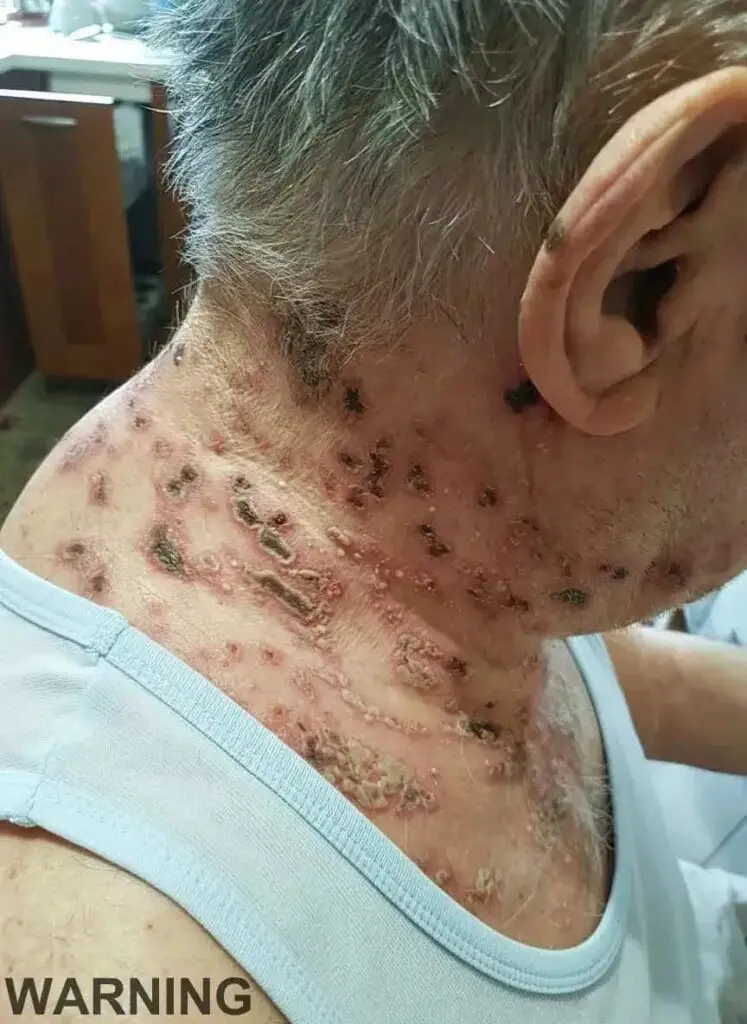
What Does the Shingles Rash Look Like?
The shingles rash typically develops in stages.
It often begins as a red patch on one side of the body before progressing into clusters of small, fluid-filled blisters.
Common locations include:
- Chest
- Back
- Abdomen
- Face
- Neck
Because the virus follows a nerve pathway, the rash usually forms in a narrow band and rarely crosses the body’s midline.
Within one to two weeks, the blisters begin to dry, form scabs, and gradually heal.
One of the Most Common Complications
Although many people recover completely, some experience a complication known as postherpetic neuralgia (PHN).
This condition occurs when nerve pain continues even after the rash has disappeared.
Symptoms may include:
- Burning pain
- Sharp or stabbing sensations
- Extreme sensitivity to touch
- Persistent aching
- Difficulty sleeping
- Reduced quality of life
The risk of PHN increases with age, making early diagnosis and treatment particularly important for older adults.
Why Early Treatment Matters
Healthcare providers often prescribe antiviral medications for shingles.
These medications work best when started within 72 hours of the rash appearing.
Early treatment may:
- Shorten the duration of illness.
- Reduce the severity of symptoms.
- Lower the risk of complications such as postherpetic neuralgia.
- Help the rash heal more quickly.
Pain-relieving medications and other supportive treatments may also be recommended depending on symptom severity.
Is Shingles Contagious?
Shingles itself cannot be “caught” from another person.
However, the varicella-zoster virus can spread through direct contact with fluid from shingles blisters.
If someone who has never had chickenpox or has not been vaccinated comes into contact with the virus, they may develop chickenpox, not shingles.
To reduce the risk of transmission:
- Keep the rash covered.
- Avoid scratching the blisters.
- Wash your hands frequently.
- Avoid close contact with newborns, pregnant individuals who are not immune, and people with weakened immune systems until the blisters have crusted over.
Can Shingles Be Prevented?
Vaccination is one of the most effective ways to reduce the risk of shingles and its complications.
Many health authorities recommend shingles vaccination for older adults and certain individuals with increased risk factors.
In addition to vaccination, maintaining overall health may help support normal immune function by:
- Eating a balanced diet.
- Exercising regularly.
- Getting enough sleep.
- Managing stress.
- Following medical advice for chronic health conditions.
While these healthy habits cannot guarantee prevention, they contribute to overall well-being.
When Should You See a Healthcare Provider?
Many cases of shingles improve with appropriate medical care, but some situations require prompt evaluation.
Contact a healthcare provider as soon as possible if you:
- Develop a painful rash on one side of the body.
- Notice blisters near your eyes or on your face.
- Experience severe pain that interferes with daily activities.
- Have a weakened immune system.
- Are pregnant and develop a suspicious rash.
- Have symptoms that continue to worsen instead of improving.
If the rash affects the eye, seek immediate medical attention. Shingles involving the eye can lead to serious complications, including vision problems, if not treated promptly.
Frequently Asked Questions
Can you get shingles more than once?
Yes. Although many people experience shingles only once, it is possible to develop it again later in life.
Is shingles only a disease of older adults?
No. While the risk increases with age, shingles can occur in younger adults, particularly if their immune system is weakened by illness, medications, or significant stress.
Can stress cause shingles?
Stress itself does not directly cause shingles, but prolonged physical or emotional stress may affect immune function, which could contribute to reactivation of the dormant virus in some individuals.
How long does shingles usually last?
The rash typically lasts between two and four weeks. However, nerve pain may persist longer in some people, especially if postherpetic neuralgia develops.
Can the shingles vaccine help?
Yes. Vaccination significantly reduces the risk of developing shingles and lowers the likelihood of serious complications such as postherpetic neuralgia. Speak with your healthcare provider to determine whether vaccination is appropriate for you.
Protecting Your Health
Although shingles cannot always be prevented, several healthy habits may help support your immune system and overall well-being:
- Eat a nutritious, balanced diet.
- Stay physically active.
- Get adequate sleep each night.
- Manage stress through healthy coping strategies.
- Keep routine medical appointments.
- Stay up to date with recommended vaccinations.
Being familiar with the early symptoms of shingles also allows you to seek treatment quickly if the condition develops.
Final Thoughts
Shingles is a common viral condition that can affect anyone who has previously had chickenpox. While the illness often begins with subtle symptoms such as burning, tingling, or localized pain, recognizing these early warning signs can make an important difference because antiviral treatment is most effective when started promptly.
Although the rash usually heals within a few weeks, complications such as postherpetic neuralgia can lead to persistent nerve pain in some individuals. Early medical evaluation, appropriate treatment, and preventive measures—including vaccination for eligible adults—can help reduce these risks.
By understanding how shingles develops, recognizing its symptoms, and seeking timely medical care, individuals can better protect their health and reduce the impact of this often painful condition.