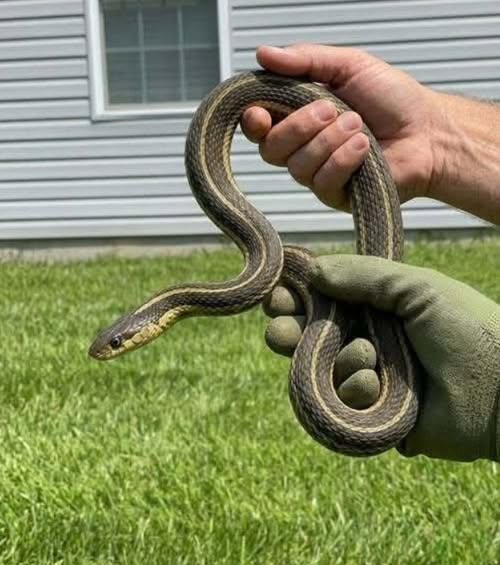
Finding a snake inside your home can be a startling experience. Whether it appears in a basement, garage, laundry room, or near an entryway, the unexpected sight often triggers an immediate sense of alarm. Understanding Why Snakes Enter Homes and How to Prevent Them can help transform fear into knowledge and provide practical steps to reduce the likelihood of future encounters.
Most snakes do not enter homes because they are aggressive or seeking human interaction. Instead, they are responding to basic survival needs such as food, shelter, and stable environmental conditions. By understanding these motivations, homeowners can take effective measures to discourage snakes from entering while maintaining a safe environment for both people and wildlife.
Several years ago, a neighbor shared a story about discovering a snake near a stack of storage boxes in his basement. The experience left him shaken, but after consulting local wildlife experts, he learned that the snake was likely seeking shelter and had entered through a small gap near a utility pipe. What seemed like a frightening mystery turned into a valuable lesson about home maintenance and wildlife behavior. Since then, he has regularly inspected his property, sealed potential entry points, and maintained his yard more carefully. He has not experienced another snake encounter since.
Why Snakes Enter Homes
Searching for Food
One of the primary reasons snakes enter residential areas is the presence of prey.
Snakes feed on a variety of small animals, including:
- Mice
- Rats
- Small birds
- Insects
- Frogs
- Lizards
If rodents or insects are living in or around a home, they may unintentionally attract snakes. Therefore, a snake sighting can sometimes indicate an underlying pest problem.
Even if homeowners never see rodents directly, their presence may still be enough to attract predators searching for food.
Seeking Shelter and Protection
Snakes constantly search for safe locations where they can avoid predators and harsh weather conditions.
Common hiding places include:
- Basements
- Crawl spaces
- Garages
- Sheds
- Woodpiles
- Storage areas
These locations often provide darkness, stable temperatures, and minimal disturbance.
From a snake’s perspective, a basement may resemble a secure natural shelter. Consequently, homes can unintentionally become attractive resting places.
Environmental Factors That Attract Snakes
Weather Conditions
Weather significantly influences snake movement.
Heavy rainfall may flood underground burrows, forcing snakes to seek higher ground. Likewise, extreme heat can drive them toward cooler indoor spaces.
During colder months, snakes may search for warmer environments that offer protection from freezing temperatures.
Because snakes rely on external temperatures to regulate their body heat, environmental changes strongly affect their behavior.
Landscaping and Yard Conditions
The area surrounding a home plays an important role in attracting or discouraging wildlife.
Potential snake-friendly conditions include:
- Tall grass
- Dense shrubs
- Overgrown vegetation
- Rock piles
- Brush piles
- Unused equipment
These areas provide cover and protection for both snakes and their prey.
Maintaining a clean, well-managed yard reduces hiding opportunities and makes the property less attractive overall.
Common Entry Points Around Homes
Small Openings and Gaps
Many homeowners underestimate how easily snakes can enter structures.
Potential entry points include:
- Foundation cracks
- Gaps beneath doors
- Utility line openings
- Vent openings
- Damaged screens
- Pipe penetrations
Because snakes have flexible bodies, they can squeeze through surprisingly small spaces.
Regular inspections can help identify these vulnerabilities before wildlife takes advantage of them.
Garages, Basements, and Crawl Spaces
Certain areas of the home are more vulnerable than others.
Garages often remain open for extended periods, while basements and crawl spaces may contain small structural gaps that go unnoticed.
Additionally, these spaces typically experience less daily activity, making them attractive hiding locations.
Sealing gaps and maintaining these areas can significantly reduce the risk of unwanted visitors.
What To Do If You Find a Snake Indoors
Stay Calm and Maintain Distance
The most important step is remaining calm.
Although fear is a natural response, sudden movements can increase stress for both the person and the animal.
If you encounter a snake:
- Keep your distance
- Avoid touching it
- Do not attempt to capture it
- Keep children and pets away
Most snakes prefer avoiding humans whenever possible.
Providing space often reduces the likelihood of defensive behavior.
Contact Professionals
Because accurate species identification can be difficult, professional assistance is often the safest option.
Wildlife specialists and animal control professionals possess the training and equipment needed to handle these situations safely.
Additionally, they can help determine how the snake entered the property and recommend preventive measures.
Professional guidance provides both safety and peace of mind.
Effective Prevention Strategies
Eliminate Food Sources
Reducing prey populations remains one of the most effective prevention methods.
Helpful steps include:
- Controlling rodent activity
- Storing food securely
- Cleaning up spilled bird seed
- Removing outdoor pet food
- Managing insect populations
Without a reliable food source, snakes have fewer reasons to remain nearby.
Addressing the bottom of the food chain often solves the larger problem.
Maintain Your Property
Long-term prevention focuses on making your property less inviting.
Recommended measures include:
- Mowing grass regularly
- Trimming shrubs
- Removing debris piles
- Storing firewood away from structures
- Sealing cracks and openings
- Repairing damaged screens
These actions reduce both shelter opportunities and access points.
As a result, the likelihood of future encounters decreases significantly.
Frequently Asked Questions
Why do snakes enter homes?
Snakes typically enter homes while searching for food, shelter, protection from weather, or stable temperatures.
Are snakes attracted to dirty houses?
Not directly. However, clutter and poor maintenance can attract rodents and insects, which may then attract snakes.
What should I do if I find a snake in my basement?
Maintain a safe distance, keep pets and children away, and contact wildlife professionals or animal control services.
Can snakes fit through very small openings?
Yes. Many species can squeeze through surprisingly narrow gaps due to their flexible bodies.
How can I prevent snakes from entering my property?
Seal entry points, control rodent populations, maintain landscaping, remove debris, and eliminate potential shelter areas.
Conclusion
Understanding Why Snakes Enter Homes and How to Prevent Them helps homeowners respond with knowledge rather than fear. Most snakes enter residential spaces because they are searching for food, shelter, or protection from changing environmental conditions. By addressing these factors through proper maintenance, pest control, and structural inspections, homeowners can significantly reduce the likelihood of future encounters.
Although finding a snake indoors can feel unsettling, most situations can be managed safely and effectively. Prevention, awareness, and calm decision-making remain the best tools for protecting both your home and your peace of mind.