
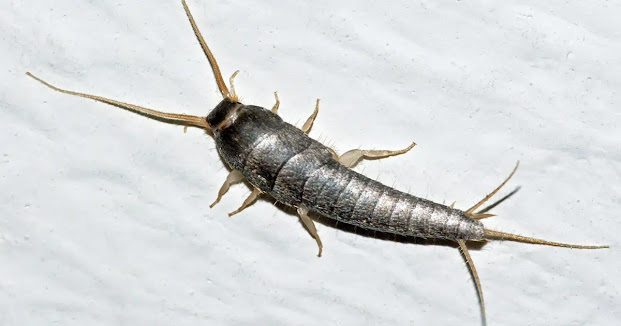
You shuffle into the bathroom early in the morning, still half asleep, flip on the light, and suddenly spot something silver darting across the floor. It moves with a strange, fish-like wiggle before disappearing beneath a cabinet.
Your first reaction is probably disgust. Your second is usually concern.
What exactly was that thing?
In many homes, especially in damp areas, the culprit is a silverfish. While these ancient insects aren’t dangerous to people, finding them inside your home can reveal important clues about moisture levels, hidden leaks, and conditions that may be inviting other unwanted pests.
The good news is that silverfish are manageable. Understanding why they’re there and what attracts them is the first step toward eliminating them for good.
What Are Silverfish?
Silverfish are small, wingless insects that have existed on Earth for more than 300 million years. They are among the oldest surviving insect species, predating dinosaurs by hundreds of millions of years.
Despite their unusual appearance, silverfish are remarkably simple creatures.
They typically measure between one-half and one inch in length and have a tapered body covered with tiny metallic scales that create their distinctive silvery appearance.
Their movement resembles the motion of a fish swimming through water, which explains how they got their name.
Characteristics of Silverfish include:
- Silvery-gray coloration
- Long antennae
- Three tail-like appendages
- Rapid, darting movement
- No wings
- No ability to fly or jump
Although they may look unsettling, silverfish are not aggressive and do not bite humans or pets.
Why Are Silverfish Appearing in Your Home?
Silverfish don’t enter homes randomly.
Like all pests, they move into environments that provide food, water, shelter, and favorable temperatures.
If you are seeing silverfish regularly, your home is likely providing several conditions they find ideal.
Excess Moisture
Humidity is the number one attraction for silverfish.
These insects lose moisture quickly through their bodies and need damp environments to survive.
Common moisture-rich locations include:
- Bathrooms
- Laundry rooms
- Basements
- Crawl spaces
- Under sinks
- Around leaking pipes
Even a small hidden leak behind a wall can create the perfect habitat.
Darkness and Shelter
Silverfish are nocturnal creatures.
They spend most of the day hidden in cracks, crevices, wall voids, storage boxes, and behind appliances.
They prefer:
- Closets
- Attics
- Storage rooms
- Bookshelves
- Cabinets
The more clutter available, the more hiding places they have.
Food Sources
Many people assume insects only eat food scraps.
Silverfish are different.
Their diet includes carbohydrates, proteins, and cellulose materials commonly found throughout homes.
They feed on:
- Paper
- Cardboard
- Wallpaper glue
- Book bindings
- Fabric
- Hair
- Dead skin cells
- Flour
- Cereals
- Dry pantry goods
Even small amounts of organic material can sustain them for long periods.
Are Silverfish Dangerous?
One of the most common questions homeowners ask is whether silverfish pose any health risks.
Fortunately, the answer is generally no.
Silverfish do not:
- Bite humans
- Sting
- Spread disease
- Attack pets
- Cause structural damage like termites
However, that does not mean they are harmless.
Damage to Personal Belongings
Silverfish can cause surprisingly expensive damage over time.
They often chew on:
- Books
- Important documents
- Photographs
- Wallpaper
- Clothing
- Curtains
- Upholstery
Collectors of rare books and antiques often consider silverfish a serious threat.
Food Contamination
Although they do not spread disease directly, silverfish can contaminate food products by leaving behind droppings, scales, and debris.
Open containers of flour, cereal, oats, and grains are particularly vulnerable.
Moisture Warning Sign
Perhaps the biggest concern isn’t the insect itself.
Silverfish often indicate excessive humidity, hidden leaks, or poor ventilation.
These conditions may eventually lead to:
- Mold growth
- Mildew
- Wood rot
- Structural moisture damage
In this sense, silverfish are sometimes the first visible warning sign of a larger problem.
How to Tell If It’s Really a Silverfish
Several insects resemble silverfish.
Correct identification is important before starting treatment.
Silverfish have:
- Metallic silver coloration
- Carrot-shaped bodies
- Long antennae
- Three tail filaments
- Fast, wiggling movement
Common look-alikes include:
Firebrats
Firebrats look very similar but tend to be brown or mottled in color.
They prefer warmer environments such as furnace rooms and near water heaters.
Earwigs
Earwigs have visible pincers at the rear of their bodies.
Unlike silverfish, they are darker and more heavily armored.
Carpet Beetle Larvae
These pests are fuzzy, slower moving, and commonly found near fabrics.
House Centipedes
Although frightening in appearance, house centipedes actually help control other pests.
They have many legs and move differently than silverfish.
The Hidden Message Silverfish Are Sending
Many pest experts view silverfish as indicators rather than primary problems.
Finding one silverfish occasionally may not be cause for alarm.
Finding several regularly suggests your home may have:
- Excess humidity
- Ventilation problems
- Water leaks
- Excessive clutter
- Unsealed cracks and gaps
Addressing these issues often reduces silverfish populations dramatically without relying heavily on pesticides.
How to Get Rid of Silverfish
Successfully eliminating silverfish requires targeting both the insects and the environment that supports them.
Step One: Reduce Humidity
Since moisture is their primary requirement, lowering humidity is often the most effective solution.
Ways to reduce humidity include:
- Running bathroom exhaust fans
- Using dehumidifiers
- Repairing plumbing leaks
- Improving basement ventilation
- Opening windows when weather permits
- Drying wet surfaces promptly
Aim to maintain indoor humidity below 50%.
Step Two: Eliminate Food Sources
Make your home less appealing by removing accessible food sources.
Store:
- Cereals
- Flour
- Rice
- Pasta
- Pet food
in airtight containers.
Additionally:
- Vacuum regularly
- Dust bookshelves
- Remove old newspapers
- Organize storage areas
- Reduce cardboard storage
Step Three: Seal Entry Points
Silverfish enter through surprisingly small openings.
Inspect:
- Baseboards
- Window frames
- Door frames
- Utility penetrations
- Pipe openings
Seal gaps using caulk or weatherstripping.
Step Four: Use Control Methods
Several treatment options can help reduce populations.
Sticky Traps
Sticky traps help monitor activity and identify problem areas.
Diatomaceous Earth
Food-grade diatomaceous earth damages the insect’s outer coating, causing dehydration.
Apply lightly in:
- Cracks
- Wall voids
- Under appliances
- Along baseboards
Boric Acid
Boric acid is effective against silverfish but should be used carefully around children and pets.
Professional Treatment
Severe infestations may require licensed pest control services that can identify hidden breeding areas.
Preventing Future Infestations
Once silverfish are eliminated, prevention becomes the priority.
Simple habits can keep them from returning.
Maintain Dry Conditions
Continue monitoring humidity levels year-round.
Inspect Incoming Items
Silverfish often hitchhike inside:
- Used books
- Cardboard boxes
- Furniture
- Antique items
Check items carefully before bringing them indoors.
Keep Storage Organized
Clutter creates ideal hiding spots.
Use plastic storage containers rather than cardboard whenever possible.
Schedule Regular Inspections
Check basements, attics, and crawl spaces every few months for signs of moisture or pest activity.
When Should You Call a Professional?
DIY treatments are often successful for minor infestations.
However, professional help may be necessary if:
- Silverfish appear throughout the home
- Activity continues after several weeks of treatment
- You discover hidden water damage
- Valuable books or collections are at risk
- Moisture problems remain unresolved
A professional inspection can uncover issues that may not be immediately visible.
Frequently Asked Questions
Do silverfish mean my house is dirty?
No.
Silverfish are attracted primarily to moisture, not dirt. Even very clean homes can develop silverfish problems if humidity levels are high.
Can silverfish bite?
No. Silverfish do not bite humans or pets.
Are silverfish active during the day?
Rarely.
They are nocturnal and prefer darkness.
How long do silverfish live?
Silverfish can live surprisingly long lives for insects, often surviving two to eight years under favorable conditions.
Will silverfish disappear on their own?
Usually not.
As long as moisture and food remain available, they will continue reproducing and surviving indoors.
Final Thoughts
Finding a silverfish in your home can be unsettling, but it doesn’t mean your house is unsafe or unsanitary.
These ancient insects are primarily a sign that your home may have the damp, humid conditions they need to survive. While they won’t bite, sting, or spread disease, they can damage valuable belongings and signal moisture problems that deserve attention.
The most effective solution isn’t simply killing the insects you see. It’s identifying why they’re there in the first place.
By reducing humidity, fixing leaks, eliminating food sources, and keeping storage areas organized, you can make your home far less attractive to silverfish and many other pests as well.
Remember, the silverfish itself isn’t the real problem.
It’s the message it’s bringing.