
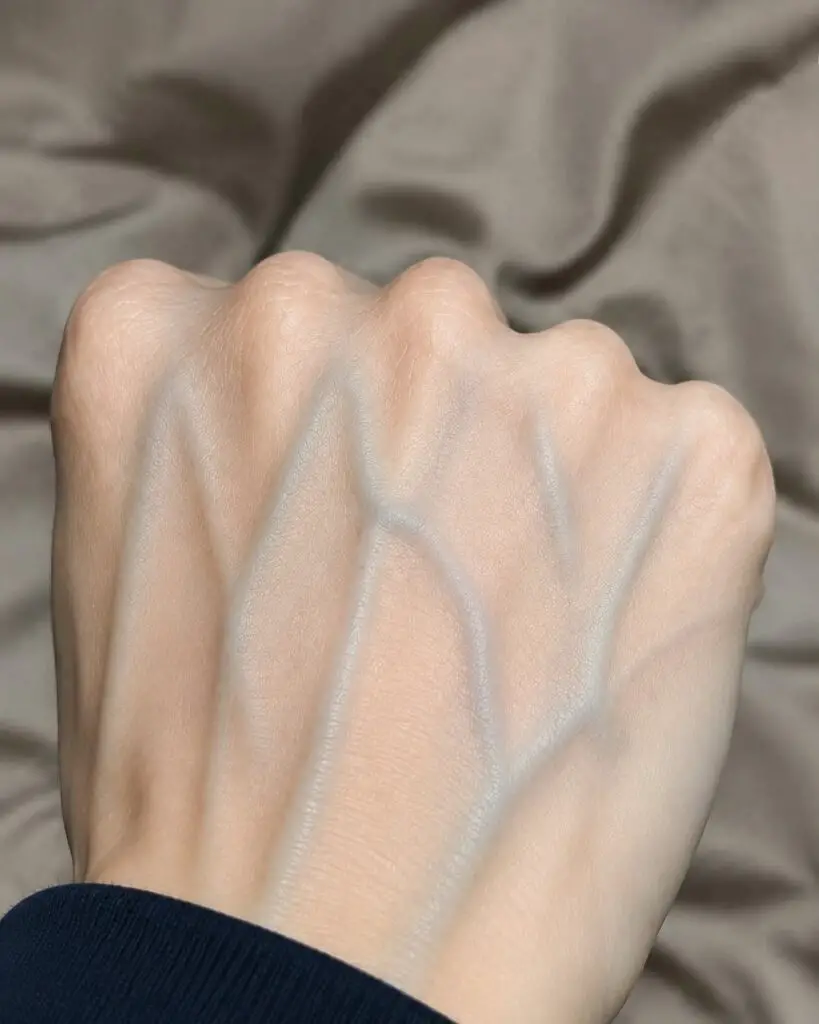
Have you ever glanced down at your hands and noticed that the veins seem more visible than they used to be?
Maybe they stand out after a workout. Perhaps they become more noticeable on a warm day. Or maybe they’ve gradually appeared more prominent as you’ve gotten older.
For many people, these changes spark concern. A quick search online often leads to alarming claims suggesting that visible veins may be a warning sign of kidney disease or other serious health problems.
But how much of that is actually true?
Can the veins on your hands reveal hidden problems with your kidneys?
Or is this simply another health myth that has gained traction on social media?
The answer lies somewhere between curiosity and caution.
While your body does provide important clues about your overall health, visible hand veins are rarely among the signs doctors use to evaluate kidney function. Understanding what causes prominent veins—and recognizing the genuine warning signs of kidney disease—can help you make informed decisions without unnecessary worry.
Let’s explore the science behind visible veins, separate fact from fiction, and learn what your kidneys truly need to stay healthy.
Why Hand Veins Become More Visible
For most people, visible veins are completely normal.
Veins carry blood back toward the heart and are found throughout the body. In some individuals, they appear more prominent because of natural factors rather than underlying disease.
Aging and Skin Changes
One of the most common reasons veins become more noticeable is aging.
As we get older, the skin naturally becomes thinner. The layer of fat beneath the skin also decreases.
With less tissue covering them, veins become easier to see.
This process is completely normal and occurs in many healthy adults.
Genetics
Some people simply inherit more visible veins.
If your parents or grandparents had prominent veins on their hands, there’s a good chance you may have them too.
Genetics influence:
- Skin thickness
- Body fat distribution
- Vein size
- Circulation patterns
These factors often determine how visible veins appear throughout life.
Exercise and Physical Activity
Have you ever noticed your veins popping out after exercise?
This happens because physical activity increases blood flow and temporarily enlarges blood vessels.
Weightlifting, running, cycling, and other forms of exercise can make veins appear more prominent for several hours afterward.
For athletes and highly active individuals, visible veins are often considered a sign of low body fat and strong circulation.
Warm Temperatures
Heat causes blood vessels to expand.
When temperatures rise, your body pushes more blood toward the skin’s surface to help cool itself.
As a result, veins may appear larger and more visible.
This temporary change usually disappears once body temperature returns to normal.
Body Composition
People with lower body fat percentages tend to have more visible veins.
Since there is less tissue between the skin and blood vessels, veins naturally become easier to see.
This is especially common among athletes, fitness enthusiasts, and naturally lean individuals.
The Myth Linking Hand Veins and Kidney Disease
The internet is filled with health claims that sound convincing but lack scientific support.
One such claim suggests that visible veins on the hands indicate poor kidney function.
Current medical evidence does not support this idea.
Nephrologists—the physicians who specialize in kidney disease—do not use hand vein appearance as a diagnostic tool.
While severe kidney disease can affect circulation and fluid balance, prominent veins alone are not considered a recognized symptom.
In fact, millions of healthy people have highly visible veins without any kidney problems whatsoever.
Likewise, many individuals with kidney disease show no visible changes in their hand veins.
The two simply aren’t directly connected.
What Your Kidneys Actually Do
To understand real kidney warning signs, it helps to know how these remarkable organs function.
Your kidneys work around the clock to:
- Filter waste from the blood
- Remove excess fluid
- Regulate blood pressure
- Maintain electrolyte balance
- Support red blood cell production
- Activate vitamin D for bone health
Every day, your kidneys process approximately 50 gallons of blood.
Despite their importance, kidney disease often develops silently.
Many people experience no symptoms until significant damage has already occurred.
That’s why understanding authentic warning signs matters.
Real Signs of Kidney Problems
Unlike visible hand veins, certain symptoms can indicate kidney dysfunction.
Swelling
One of the most common signs involves fluid retention.
When kidneys struggle to remove excess fluid, swelling may develop in:
- Feet
- Ankles
- Legs
- Hands
- Face
Persistent swelling should always be evaluated by a healthcare professional.
Changes in Urination
Your urine often provides important clues about kidney health.
Warning signs may include:
- Frequent urination
- Reduced urination
- Foamy urine
- Blood in urine
- Dark-colored urine
- Difficulty urinating
Any significant change warrants medical attention.
Persistent Fatigue
Healthy kidneys help produce hormones that support red blood cell production.
When kidney function declines, anemia can develop.
This may cause:
- Fatigue
- Weakness
- Shortness of breath
- Reduced stamina
High Blood Pressure
The relationship between blood pressure and kidneys works both ways.
High blood pressure can damage kidneys.
Damaged kidneys can worsen blood pressure.
This cycle makes routine monitoring especially important.
Loss of Appetite and Nausea
As waste products accumulate in the bloodstream, some individuals experience:
- Nausea
- Vomiting
- Appetite loss
- Weight loss
- Metallic taste in the mouth
These symptoms often appear in more advanced stages of kidney disease.
Conditions That Increase Kidney Disease Risk
Certain factors increase the likelihood of kidney problems.
Diabetes
Diabetes remains the leading cause of chronic kidney disease worldwide.
High blood sugar damages tiny blood vessels within the kidneys over time.
Hypertension
Uncontrolled high blood pressure places continuous strain on kidney tissues.
Even moderate elevations can cause damage over many years.
Family History
A family history of kidney disease increases risk.
Genetics play a role in several kidney conditions.
Smoking
Smoking reduces blood flow and damages blood vessels throughout the body, including those within the kidneys.
Obesity
Excess body weight places additional stress on multiple organ systems and increases the risk of both diabetes and hypertension.
How to Protect Your Kidneys
The good news is that many kidney diseases can be prevented or slowed through healthy lifestyle habits.
Stay Hydrated
Water helps kidneys remove waste efficiently.
Most healthy adults benefit from consistent hydration throughout the day.
Control Blood Pressure
Maintaining healthy blood pressure significantly reduces kidney stress.
Regular monitoring can detect problems early.
Manage Blood Sugar
For individuals with diabetes or prediabetes, controlling blood glucose levels is essential.
Exercise Regularly
Physical activity supports cardiovascular health and improves circulation.
Aim for at least 150 minutes of moderate exercise each week.
Limit Excess Salt
Too much sodium contributes to elevated blood pressure and increased kidney strain.
Avoid Smoking
Quitting smoking benefits nearly every organ in the body, including the kidneys.
Schedule Routine Checkups
Simple blood and urine tests can identify kidney problems long before symptoms develop.
Early detection dramatically improves outcomes.
When Visible Veins May Warrant Attention
While visible veins alone usually aren’t concerning, certain vein-related symptoms deserve evaluation.
Consult a healthcare professional if you notice:
- Sudden vein enlargement
- Painful veins
- Redness or inflammation
- Swelling near veins
- Skin changes
- Veins accompanied by other concerning symptoms
These issues may relate to circulation, vascular health, or other medical conditions.
Frequently Asked Questions
Do visible hand veins mean I’m dehydrated?
Not necessarily. While dehydration can sometimes make veins appear more prominent, many other factors influence vein visibility.
Can kidney disease cause visible veins?
Kidney disease is not known to directly cause prominent hand veins. Other symptoms are far more important indicators.
Why are my veins more noticeable after exercise?
Exercise increases blood flow and temporarily enlarges blood vessels, making veins easier to see.
Do visible veins indicate good circulation?
Not always. While athletes often have visible veins due to low body fat and strong circulation, vein appearance alone cannot determine circulation quality.
Should I get my kidneys checked if my veins become more visible?
Visible veins by themselves usually do not require kidney testing. However, routine health screenings remain important for everyone.
The Bottom Line
The veins on your hands can reveal many things about your body.
They may reflect age, genetics, fitness level, body composition, temperature, or simple biological variation.
What they generally do not reveal is the health of your kidneys.
Despite persistent online myths, prominent hand veins are not considered a recognized sign of kidney disease.
Real kidney warning signs include swelling, changes in urination, fatigue, high blood pressure, and abnormal laboratory results.
Rather than worrying about visible veins, focus on proven strategies that support kidney health:
Stay active.
Stay hydrated.
Monitor blood pressure.
Control blood sugar.
Avoid smoking.
Schedule regular checkups.
Most importantly, remember that not every physical change is a warning sign.
Sometimes a vein is simply a vein.
Understanding the difference between myth and medical reality can help you make better health decisions, reduce unnecessary anxiety, and focus your attention where it truly matters.