
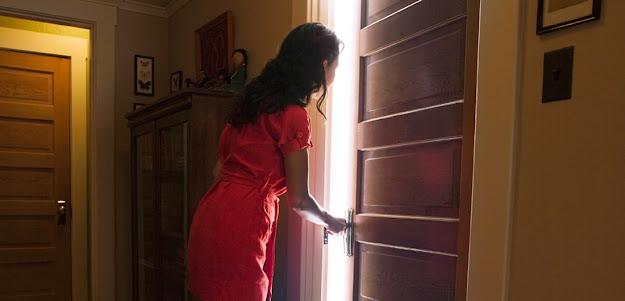
For many people, sleeping with the bedroom door open feels natural. It may help with airflow, make it easier to hear children, or allow pets to move freely throughout the house.
However, fire safety experts increasingly recommend a different approach: closing your bedroom door before going to sleep.
What seems like a small habit can make a significant difference during a house fire.
The Fire Safety Research Behind the Advice
One of the most widely cited demonstrations comes from the UL Fire Safety Research Institute (FSRI), which has conducted experiments comparing rooms with open doors and closed doors during residential fires.
The results show dramatic differences.
In many tests:
- Open-door rooms filled rapidly with smoke and heat.
- Temperatures rose to deadly levels within minutes.
- Closed-door rooms remained significantly cooler.
- Smoke infiltration was greatly reduced.
- Oxygen levels remained higher.
These findings highlight how a simple interior door can act as a barrier between occupants and dangerous fire conditions.
Why Modern House Fires Are More Dangerous
Fire experts note that modern homes often burn differently than homes built decades ago.
Many household items now contain synthetic materials such as:
- Polyurethane foam
- Plastics
- Polyester fabrics
- Composite wood products
These materials can ignite quickly and produce large amounts of heat and toxic smoke.
As a result, escape times may be significantly shorter than in the past.
The Role of Smoke
Contrary to popular belief, flames are not the leading cause of fire-related deaths.
Smoke inhalation is responsible for many fatalities because:
- Toxic gases spread rapidly.
- Visibility drops quickly.
- Occupants may become incapacitated before reaching safety.
People who are sleeping are particularly vulnerable because they may not immediately recognize the danger.
How a Closed Door Helps
Closing your bedroom door creates a physical barrier between you and a fire occurring elsewhere in the home.
1. Slows Fire Spread
Fires require oxygen to grow.
A closed door can limit airflow and slow the spread of flames into a bedroom.
2. Reduces Smoke Entry
Smoke often travels through open hallways and doorways.
A closed door helps delay the amount of smoke entering the room.
3. Lowers Heat Exposure
Research has shown that rooms with closed doors can remain dramatically cooler than adjacent spaces during a fire.
This temperature difference may help preserve survivable conditions longer.
4. Provides Valuable Time
The primary benefit is time.
Additional minutes may allow occupants to:
- Wake up
- Call emergency services
- Alert family members
- Follow an escape plan
In an emergency, even a small delay in fire progression can be critical.
The “Close Before You Doze” Campaign
Many fire departments and fire safety organizations promote a simple message:
“Close Before You Doze.”
The campaign encourages people to make closing bedroom doors part of their nightly routine.
Its goal is to increase awareness of the protective benefits demonstrated through fire research.
What About Children and Pets?
Some people hesitate to close bedroom doors because they worry about family members or pets.
For Families with Children
Consider:
- Installing interconnected smoke alarms
- Using baby monitors when appropriate
- Practicing family fire drills
- Establishing clear emergency procedures
Interconnected alarms are particularly valuable because when one alarm sounds, all alarms activate throughout the home.
For Pet Owners
Some pet owners choose to:
- Allow pets to sleep in the bedroom
- Create designated sleeping spaces
- Include pets in evacuation planning
The key is balancing convenience with safety.
Additional Fire Safety Measures
Closing your bedroom door should be viewed as one layer of protection—not the only one.
Experts also recommend:
Smoke Alarms
Install smoke alarms:
- Inside every bedroom
- Outside sleeping areas
- On every level of the home
Test them regularly according to manufacturer recommendations.
Carbon Monoxide Detectors
Install carbon monoxide detectors near sleeping areas and maintain them properly.
Fire Escape Planning
Every household should have:
- Two possible exits from each room when feasible
- A designated outdoor meeting place
- Regular fire-drill practice
Electrical Safety
Reduce fire risks by:
- Avoiding overloaded outlets
- Replacing damaged cords
- Using extension cords properly
- Following manufacturer instructions for electrical devices
Kitchen Safety
Many residential fires begin in kitchens.
Never leave cooking unattended, especially when using high heat.
Common Questions
Should Every Bedroom Door Be Closed?
Fire safety organizations generally recommend closing bedroom doors at night whenever practical.
Does This Replace Smoke Alarms?
No.
Smoke alarms remain one of the most important life-saving devices in any home.
A closed door complements—but does not replace—working smoke alarms.
What If I Need Airflow?
Many people use fans, ceiling fans, or HVAC systems to improve airflow while keeping bedroom doors closed.
Final Thoughts
Closing your bedroom door before bed takes only a few seconds, but research suggests it can provide meaningful protection during a fire.
By helping slow the spread of smoke, heat, and flames, a closed door may create a safer environment and provide valuable extra time during an emergency.
Combined with working smoke alarms, practiced escape plans, and other fire safety measures, this simple habit can become an important part of protecting yourself and your family.
Before turning out the lights tonight, consider taking one small step:
Close your bedroom door.