Summer brings sunshine, outdoor adventures, and more time spent in nature. Unfortunately, it also brings mosquitoes, ticks, and a variety of other insects that can pose health concerns. One insect that has gained increasing attention in recent years is the assassin bug, particularly a group known as kissing bugs.
While many people have never encountered one, understanding these insects can help you stay safe and respond appropriately if a bite occurs.
This guide explains what assassin bugs are, where they live, the risks associated with their bites, and the steps you should take if you suspect you’ve been bitten.
What Is an Assassin Bug?
Assassin bugs belong to the Reduviidae family, a large group of insects found throughout North, Central, and South America.
Most assassin bugs are actually beneficial insects that feed on garden pests. However, a specific subgroup known as kissing bugs (Triatomine bugs) can bite humans and animals to feed on blood.
Quick Facts
- Size ranges from approximately ½ inch to 1½ inches long
- Usually brown, black, or dark-colored
- Most active at night
- Attracted to body heat and carbon dioxide
- Often found near woodpiles, animal shelters, rock piles, and outdoor structures
Not every assassin bug is a kissing bug, and not every bite results in disease. However, understanding the distinction is important.
Why Are Kissing Bugs a Concern?
The primary concern involves a parasite called Trypanosoma cruzi, which can cause Chagas disease.
Unlike mosquitoes, kissing bugs do not transmit the parasite through their bite itself. Instead, transmission can occur when infected bug feces enter the body through the bite wound, eyes, mouth, or other breaks in the skin.
How Transmission Happens
- A kissing bug bites a sleeping person.
- The bug may defecate near the bite site.
- The person scratches the area.
- Parasites can enter the body through broken skin or mucous membranes.
Although this sounds alarming, transmission remains relatively uncommon in the United States compared with parts of Latin America.
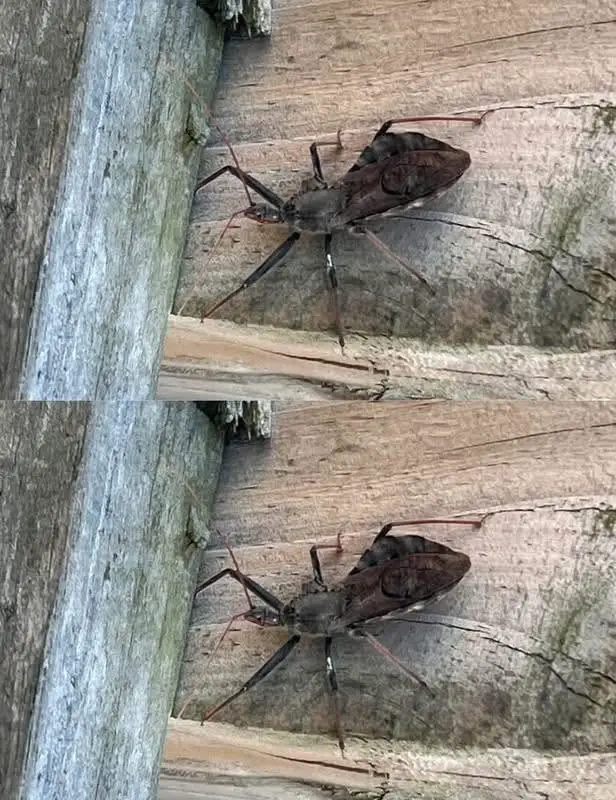
Identifying an Assassin Bug
Many insects resemble kissing bugs, so proper identification is important.
Common characteristics include:
- Elongated oval-shaped body
- Long, narrow head
- Prominent beak-like mouthpart
- Six long legs
- Alternating orange, red, or yellow markings along the abdomen edge
Because several harmless insects look similar, avoid handling unknown insects with bare hands.
Symptoms of an Assassin Bug Bite
Many people do not realize they have been bitten until later.
Common bite symptoms include:
Mild Reactions
- Small red bump
- Mild swelling
- Itching
- Localized discomfort
Moderate Reactions
- Larger swollen area
- Burning sensation
- Pain at the bite site
- Skin irritation lasting several days
Severe Allergic Reactions
Although rare, some individuals may experience:
- Difficulty breathing
- Facial swelling
- Rapid heartbeat
- Dizziness
- Severe hives
Seek emergency medical care immediately if these symptoms occur.
What To Do Immediately After a Bite
If you believe you’ve been bitten by an assassin bug or kissing bug, follow these steps.
Step 1: Stay Calm
Most bites do not result in serious illness. Remaining calm allows you to make better decisions and monitor symptoms effectively.
Step 2: Wash the Area
Clean the bite thoroughly using soap and warm water.
This helps reduce the risk of secondary infection and removes any contaminants that may be present on the skin.
Step 3: Avoid Scratching
Scratching increases irritation and can create openings for bacteria.
If itching develops, consider using:
- Cold compresses
- Anti-itch creams
- Oral antihistamines as directed
Step 4: Save the Insect If Possible
If the insect is available and can be collected safely, place it in a sealed container.
A healthcare provider or local health department may be able to assist with identification.
Never handle the insect directly with bare hands.
Step 5: Monitor Symptoms
Watch for signs of:
- Increasing redness
- Swelling
- Fever
- Fatigue
- Rash
- Flu-like symptoms
Seek medical advice if symptoms worsen or if you have concerns about potential exposure.
Understanding Chagas Disease
Chagas disease develops in two phases.
Acute Phase
This phase occurs shortly after infection and may include:
- Fever
- Fatigue
- Body aches
- Swollen lymph nodes
- Headaches
- Skin rash
Some individuals experience no symptoms at all.
Chronic Phase
Years or even decades later, untreated infections may affect:
- The heart
- Digestive system
- Nervous system
Most infected individuals never develop severe complications, but early diagnosis remains important.
When Should You See a Doctor?
Contact a healthcare professional if:
- You suspect the insect was a kissing bug
- The bite becomes increasingly painful
- You develop fever or flu-like symptoms
- You experience an allergic reaction
- You have concerns about possible exposure to Chagas disease
Healthcare providers can determine whether testing or further evaluation is appropriate.
How to Prevent Assassin Bug Encounters
Prevention remains the best strategy.
Around Your Home
- Seal cracks and gaps around windows and doors
- Repair damaged screens
- Reduce outdoor lighting that attracts insects
- Remove woodpiles near living areas
- Keep yards free of excess debris
During Outdoor Activities
- Wear long sleeves and pants
- Use approved insect repellents
- Inspect camping areas before sleeping
- Avoid sleeping directly on the ground
Protecting Pets
Dogs and other animals can also be bitten.
Help protect pets by:
- Keeping sleeping areas clean
- Limiting access to outdoor shelters with insect activity
- Scheduling regular veterinary checkups
Frequently Asked Questions
Are all assassin bugs dangerous?
No. Most assassin bugs are beneficial predators that help control pest populations. Only certain species known as kissing bugs are associated with Chagas disease.
Can you feel an assassin bug bite?
Some people feel little or no discomfort initially. Others experience pain, swelling, or itching shortly afterward.
Is Chagas disease common in the United States?
Cases occur in the United States, but transmission remains relatively uncommon compared with many regions of Latin America.
Can pets get Chagas disease?
Yes. Dogs are particularly susceptible and may become infected after exposure to infected kissing bugs.
Should I kill a kissing bug if I find one?
Avoid crushing it with bare hands. Safely capture it in a sealed container if possible and contact local health authorities for guidance.
Final Thoughts
Finding an unfamiliar insect or discovering a suspicious bite can be unsettling. Fortunately, knowledge is one of the best tools for staying safe.
Most assassin bug encounters do not result in serious illness. However, understanding the risks, recognizing warning signs, and knowing how to respond can make a significant difference.
If you suspect a bite, clean the area, monitor your symptoms, and seek medical advice when appropriate. At the same time, take simple preventive measures around your home and outdoor spaces to reduce the likelihood of future encounters.
A little awareness today can provide peace of mind tomorrow—and help keep you and your family safe throughout the season.