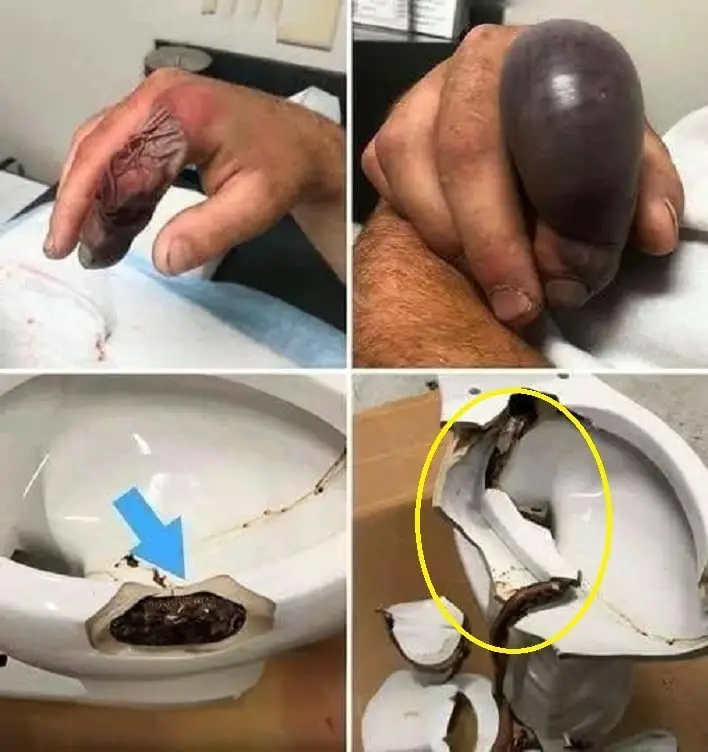
For most people, the bathroom feels like one of the safest places in the house. It’s private, familiar, and routine. Yet every few years, shocking news stories emerge about people discovering snakes inside toilet bowls—or even getting bitten while using the bathroom.
It sounds like an urban legend, but toilet snake encounters are real. They remain extremely rare, yet they have been documented in countries such as Australia, Thailand, South Africa, and parts of the southern United States. The image circulating online may look terrifying, but understanding how these incidents happen can help separate fear from fact.
Can Snakes Really Come Up Through Toilets?
Yes, snakes can occasionally travel through plumbing systems and emerge through toilets. Although it sounds impossible, some species are surprisingly flexible and excellent swimmers.
Snakes may enter sewer systems through:
- broken drain pipes
- open vent pipes
- flood drains
- gaps in sewer infrastructure
Once inside, they sometimes travel through plumbing lines while searching for:
- water
- shelter
- prey such as frogs or rodents
Most toilets contain an S-shaped trap filled with water, which normally blocks sewer gases and many animals. However, determined snakes can occasionally push through it.
Where Toilet Snake Encounters Happen Most Often
Toilet snake incidents are much more likely in warm climates where snakes remain active year-round.
Australia
Australia has some of the most well-known cases. Carpet pythons are commonly found in toilets because they seek cool, damp places during hot weather. Wildlife rescuers in Queensland and New South Wales frequently remove non-venomous snakes from homes.
Southeast Asia
Countries like Thailand and Indonesia have reported encounters involving pythons and cobras. Heavy rains and flooding may increase the chances of wildlife entering drainage systems.
Southern United States
Rare cases have occurred in:
- Florida
- Texas
- Georgia
- Louisiana
Most snakes found in toilets in the United States are non-venomous rat snakes or corn snakes.
Why Snakes Enter Plumbing Systems
Snakes do not intentionally target homes or toilets. Usually, they enter plumbing accidentally while searching for survival needs.
Looking for Water
During droughts or hot weather, sewer systems may provide moisture and cooler temperatures.
Following Food Sources
Rodents and frogs often live near drains and sewer systems. Predatory snakes may follow these animals into plumbing networks.
Flooding and Storms
Heavy rain can flood natural habitats and force snakes into drainage systems where they accidentally end up in residential plumbing.
Are Toilet Snake Bites Common?
No. Actual bites are extremely uncommon.
Most people who discover snakes in toilets are not injured because:
- the snake is trapped
- the snake is frightened
- many species avoid confrontation
However, startled snakes may bite if touched or trapped against skin.
The dramatic images shared online often spread fear because they combine real incidents with exaggerated stories. Although bites have happened, they remain extraordinarily rare.
Real-Life Cases That Made Headlines
Thailand Incident
One widely reported case involved a man in Thailand who was bitten by a python while sitting on the toilet. He survived after receiving hospital treatment, but the story shocked people worldwide.
Australia Bathroom Surprise
Australian snake catchers regularly post photos of pythons discovered inside toilet bowls. In many cases, the snakes are safely removed and released into the wild.
Texas Snake Removal
In Texas, homeowners once discovered a rat snake peeking from a toilet bowl after severe weather caused flooding in the area.
These stories sound horrifying because bathrooms are places where people feel vulnerable and safe.
What Types of Snakes Are Usually Found?
Most toilet snakes are non-venomous species.
Common examples include:
- carpet pythons
- rat snakes
- corn snakes
- tree snakes
However, venomous snakes have occasionally been reported in some countries, especially regions with high snake populations.
Even non-venomous bites can:
- break the skin
- introduce bacteria
- cause infection
- require medical attention
How to Reduce the Risk
Although the risk is already extremely low, several simple habits can help reduce it even further.
Keep the Toilet Lid Closed
A closed lid may prevent a snake from climbing fully into the bathroom.
Check Before Sitting
In regions where snakes are common, many residents quickly glance into the bowl before use.
Seal Entry Points Around the House
Small gaps around plumbing, vents, and foundations may allow wildlife into homes.
Maintain Outdoor Areas
Keeping grass trimmed and reducing rodent activity around the property can discourage snakes from approaching homes.
Install Plumbing Screens
Some homeowners in high-risk regions install mesh covers over plumbing vents.
What To Do If You Find a Snake in Your Toilet
If you discover a snake:
- Stay calm
- Do not attempt to grab it
- Close the toilet lid
- Leave the bathroom
- Call animal control or wildlife professionals
Trying to handle a snake yourself greatly increases the chance of injury.
What Happens If You’re Bitten?
If bitten:
- wash the wound gently with soap and water
- seek medical attention
- avoid trying to capture the snake
- take a photo from a safe distance if possible
If venomous species are possible in your area, emergency care is important immediately.
Why These Stories Terrify People
Snake-in-toilet stories trigger deep fears because they invade one of the most private and routine spaces in daily life.
Psychologists often explain that fear becomes stronger when:
- danger feels hidden
- people feel trapped
- the situation is unexpected
Even though the actual risk is tiny, the emotional impact can feel huge.
Separating Myth From Reality
Social media often exaggerates these stories with dramatic headlines and edited images. Some viral photos may not even show real toilet-related injuries.
Still, the phenomenon itself is real enough that wildlife experts in several countries regularly deal with these situations.
The important thing is perspective:
- toilet snakes are possible
- toilet snake bites are very rare
- serious injuries are even rarer
Frequently Asked Questions
Can snakes swim through pipes?
Some snakes can move through sewer or drainage pipes for short distances.
Are toilet snakes common in the United States?
No. Cases are extremely uncommon and mostly occur in warmer southern states.
Can flushing kill a snake?
Usually not. Flushing may simply push the snake deeper into plumbing.
Do snakes intentionally enter homes through toilets?
No. Most snakes likely enter accidentally while searching for water, shelter, or food.
Should you panic if you find one?
No. Calmly leave the area and call professionals trained in wildlife removal.
Final Thoughts
Snake encounters in toilets are one of those strange situations that sound fictional until you discover real documented cases. Although they do happen, they remain incredibly uncommon and are concentrated mostly in warm regions with active snake populations.
Simple habits like closing the lid, checking the bowl in high-risk areas, and maintaining plumbing systems can help reduce the already small chance of an encounter.
The bathroom is still one of the safest places in your home. Stories like these spread because they shock people—not because they are common.
More Home Remedies
- California Mom Issues Urgent Fireworks Warning After Teen Suffers Devastating Hand Injuries
- This Is the Silent Disease That Can Strike Without Warning
- The Midnight Ache: Understanding Nighttime Leg Cramps and How to Find Relief
- My 8-Year-Old Has Been Experiencing This for Two Months—Understanding Hives in Children