A Science-Backed, Realistic Look at Soda, Bone Health, and Smarter Choices
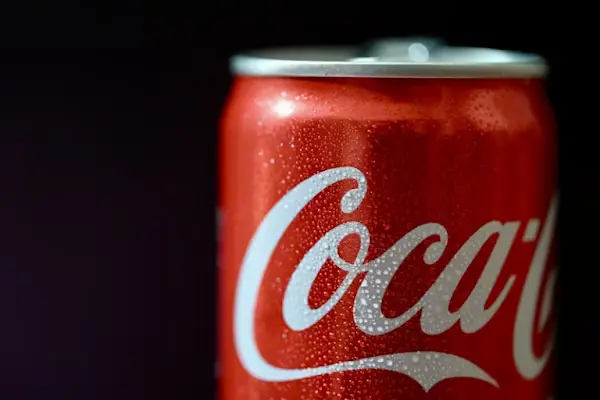
Soda is everywhere.
It’s at family dinners, social events, restaurants, and even part of daily routines for millions of people. It’s refreshing, affordable, and easy to grab without thinking twice.
But here’s the uncomfortable truth:
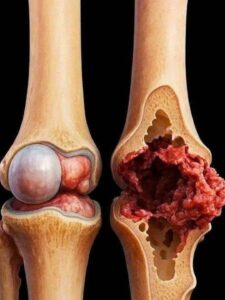
👉 Regular soda consumption may impact your health in ways that go far beyond sugar and calories—especially when it comes to your bones.
This isn’t about fear or guilt.
It’s about understanding what science actually says—so you can make informed decisions without extremes.
Let’s break it down clearly.
📋 Quick Reality Check: Soda & Your Health
- Main concern: High added sugar + low nutritional value
- Bone impact: Not direct “damage,” but indirect effects
- Biggest issue: Replacing nutrient-rich drinks
- Who’s most affected:
- Children & teens (building bones)
- Older adults (losing bone density)
👉 Bottom line:
One soda won’t harm you—but daily habits matter.
🦴 Why Bone Health Starts Earlier Than You Think
Most people think about bones only when they age.
But here’s the key insight:
👉 Your bones are constantly rebuilding—and what you do today affects your future strength.
- Peak bone mass is reached around age 30
- After that, bone loss gradually begins
So:
- What you drink in your teens and 20s matters
- What you drink in your 40s and beyond still matters
As highlighted in your content, small daily habits compound over time .
🔬 The Truth About Soda and Bone Health (No Myths)
There’s a lot of misinformation online. Let’s separate facts from exaggeration.
❌ Myth: Soda “leaches calcium” from your bones
Reality:
- This idea mainly comes from phosphoric acid in colas
- But research shows:
👉 It does not significantly harm calcium balance when your diet includes enough calcium
⚠️ What Actually Matters More
1. Nutrient Displacement (The Real Problem)
This is the biggest issue.
When soda replaces drinks like:
- Milk
- Fortified plant milk
- Calcium-rich beverages
👉 You miss out on essential nutrients.
Result:
- Lower calcium intake
- Weaker bone support over time
2. Low Nutritional Value
Soda provides:
- Calories ✔
- Sugar ✔
- Nutrients ❌
👉 It gives energy—but no building blocks for your body.
3. Sugar & Calcium Loss
High sugar intake may slightly increase calcium loss in urine.
👉 Not huge alone—but relevant when:
- Diet is already low in calcium
- Soda intake is frequent
💡 Key Insight
👉 Soda doesn’t “destroy” your bones.
👉 But it can crowd out what your bones actually need.
That’s the real risk.
⚠️ 7 Proven Health Concerns Linked to Regular Soda Intake
Bone health is just one piece of the puzzle.
1. Weight Gain
- Liquid calories don’t make you feel full
- Easy to consume excess calories
👉 One soda/day ≈ 55,000 extra calories/year
2. Blood Sugar Spikes
- Rapid sugar absorption
- Increased insulin demand
👉 Long-term risk: insulin resistance → type 2 diabetes
3. Fatty Liver (NAFLD)
- Fructose processed in liver
- Can lead to fat buildup
👉 Affects ~25% of adults globally
4. Dental Damage
- Acid + sugar = double damage
- Enamel erosion + cavities
👉 Even diet soda is acidic
5. Heart Health Risks
Studies link daily soda consumption to:
- Higher triglycerides
- Increased inflammation
- Elevated cardiovascular risk
6. Increased Gout Risk
- Fructose raises uric acid
👉 Strong, consistent link in research
7. Bone Health (Full Context)
Bone strength depends on:
- Calcium
- Vitamin D
- Exercise
- Protein
👉 Soda contributes none of these
🥛 Better Alternatives (Without Giving Up Enjoyment)
You don’t have to eliminate soda completely.
You just need better balance.
Smart Swaps:
1. Milk (or fortified plant milk)
- High in calcium + vitamin D
- Supports bone strength
2. Sparkling Water + Lemon
- Same “fizz” feeling
- No sugar
3. Mineral Water (Calcium-rich)
- Natural source of calcium
4. Herbal Teas (Hot or Iced)
- Hydrating
- Zero calories
5. Fruit-Infused Water
- Flavor without sugar
- Easy to prepare
6. Yogurt Smoothies
- Calcium + protein
- Filling and satisfying
🧭 How to Reduce Soda Without Struggling
Going “cold turkey” often fails.
Instead, use smarter strategies.
1. Replace, Don’t Restrict
Instead of:
❌ “I can’t drink soda”
Say:
✔ “I’ll swap one soda today”
2. Start Small
- Replace soda at one meal per day
- Build gradually
3. Keep Better Options Visible
- Put water, tea, or alternatives in easy reach
- Make soda less accessible
4. Track Without Judgment
Awareness alone often reduces intake.
5. Involve Your Family
Shared habits = higher success rate
🦴 If You Care About Bone Health, Focus on This
Reducing soda is helpful—but it’s only one part.
Essential Actions:
✔ Get Enough Calcium
- Adults: 1000–1200 mg/day
- Teens: ~1300 mg/day
✔ Vitamin D Matters
- Helps absorb calcium
- Sunlight + diet + supplements
✔ Move Your Body
Weight-bearing exercises:
- Walking
- Dancing
- Strength training
👉 These stimulate bone growth
✔ Limit Excess Sodium & Caffeine
High intake can increase calcium loss.
❓ Common Questions
Is diet soda better?
- No sugar ✔
- Still acidic ❌
- Still replaces nutrient-rich drinks
👉 Slightly better—but not ideal daily
Is carbonation bad?
👉 No.
Carbonation itself does NOT harm bones.
How much soda is okay?
- Occasional: fine
- Daily large intake: not ideal
Can I recover from years of soda?
👉 Yes.
Bones constantly remodel.
- Improve diet
- Add exercise
- Reduce soda
👉 Progress matters more than the past
📋 Simple Action Plan
This Week
- Track your drinks
- Replace 1 soda/day
- Add one calcium-rich food
This Month
- Make one permanent swap
- Add daily movement
- Improve hydration habits
Long-Term
- Build consistent habits
- Focus on overall nutrition
- Stay flexible—not perfect
❤️ A Healthier Mindset (Without Guilt)
Let’s be clear:
👉 Soda is not “evil.”
👉 You are not “doing something wrong.”
It’s simply:
- Convenient
- Habitual
- Culturally normal
But awareness gives you power.
💬 Final Thought
Your health isn’t defined by one drink.
It’s shaped by patterns.
- One soda won’t harm you
- But daily habits shape your future
So next time you reach for a drink, ask:
👉 “What does my body need right now?”
And choose from there—with awareness, not pressure.
⚠️ Disclaimer
This article is for educational purposes only and does not replace professional medical advice. Consult a healthcare provider for personalized guidance, especially if you have underlying health conditions.