For decades, many people believed a simple rule when it came to blood pressure:
“Your normal blood pressure is 100 plus your age.”
So, if you were 60 years old, a reading of 160/90 might have been considered acceptable.
Today, we know this advice is not just outdated—it can be dangerous.
Modern medical research has completely changed how doctors understand blood pressure. Leading health organizations around the world now agree on one key point:
👉 There is no “normal” blood pressure based on age.
Whether you are 25 or 75, elevated blood pressure can damage your body—and controlling it can save your life.
Let’s break this down clearly, based on current science, so you can understand what truly matters for your health.
⚠️ The Big Shift: Why Age-Based Blood Pressure Is a Myth
Old Thinking (Before 2017)
For many years, doctors believed:
- Blood pressure naturally rises with age
- Higher readings were acceptable in older adults
- Treating high blood pressure in seniors could be risky
This led to relaxed targets like:
- 140/90 for adults
- Even higher thresholds for elderly patients
What Science Proved
Over time, large-scale studies showed something very different:
- Blood vessels do not need higher pressure with age
- Higher blood pressure directly damages organs
- Lowering blood pressure reduces risk—even in older adults
This led to a major shift in medical guidelines.
✅ The Modern Reality: Blood Pressure Standards Today
According to the 2017 ACC/AHA guidelines, blood pressure categories are now defined the same way for all adults (18+), regardless of age.
Current Categories:
- Normal: Less than 120 / 80
- Elevated: 120–129 / Less than 80
- High Blood Pressure (Stage 1): 130–139 / 80–89
- High Blood Pressure (Stage 2): 140+ / 90+
👉 These thresholds apply to everyone—not adjusted for age.
💡 Why This Change Matters
1. There Is No “Safe” High Blood Pressure
Research shows:
- Starting at 115/75, every increase of:
- +20 mmHg systolic
- or +10 mmHg diastolic
👉 Doubles your risk of heart disease and stroke
This means even slightly elevated numbers matter.
2. Aging Does NOT Protect You
It’s true that arteries stiffen with age—but that doesn’t mean high blood pressure is harmless.
In fact:
- Older adults are more vulnerable to damage
- High blood pressure increases risk of:
- Stroke
- Heart attack
- Kidney failure
- Cognitive decline
👉 Age increases risk—it does not justify higher blood pressure.
3. Treating Blood Pressure Saves Lives (Even in Seniors)
A landmark clinical trial called SPRINT studied adults aged 50+, including many over 75.
The findings were powerful:
- Lowering systolic BP to below 120:
- Reduced risk of heart attack and stroke
- Reduced risk of death by 27%
👉 Even in older adults, controlling blood pressure is highly beneficial.
🧠 Understanding Your Blood Pressure Numbers
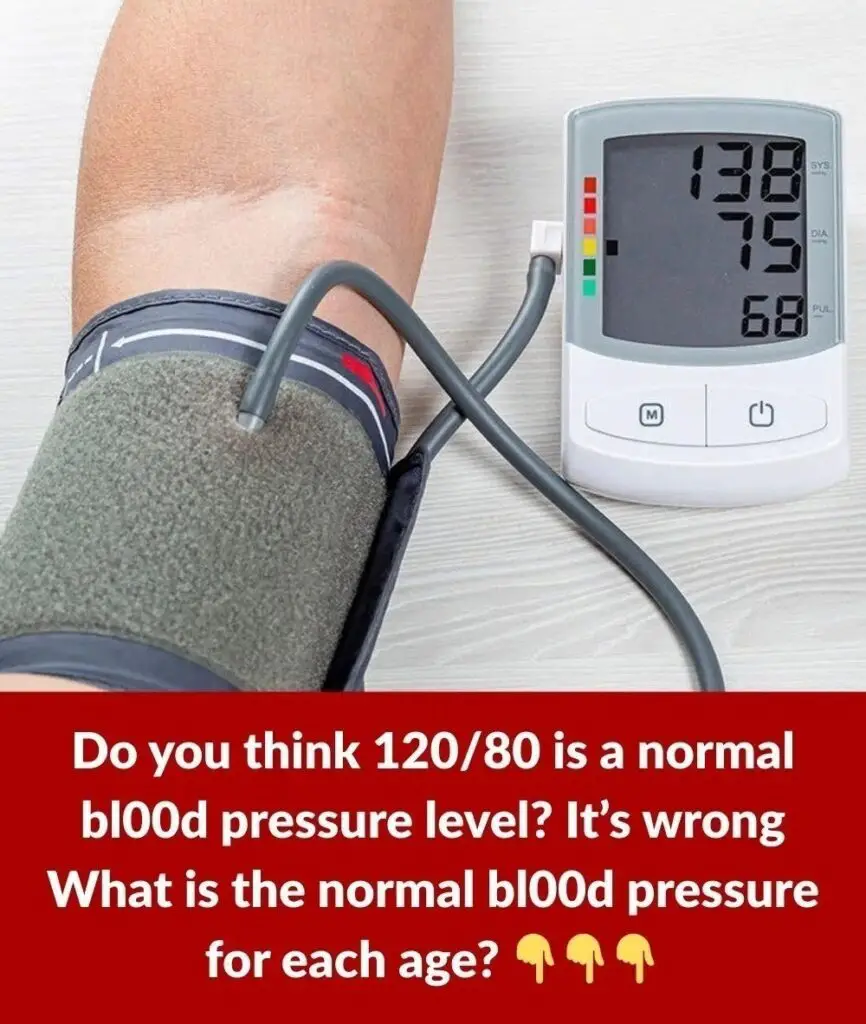
When you see a reading like 138/75, it includes two values:
- Systolic (top number): Pressure when your heart beats
- Diastolic (bottom number): Pressure when your heart rests
Example:
- 138 = systolic
- 75 = diastolic
👉 Doctors focus heavily on systolic pressure, especially after age 50.
📊 What Is “Ideal” Blood Pressure?
While “normal” is defined as under 120/80, the goal depends on individual factors.
General Targets:
- Healthy adults: Aim for <120/80
- Most patients with hypertension: <130/80
- Older adults (with supervision): Often still <130/80
👉 The goal is safe control, not aggressive lowering without guidance.
⚠️ Common Myths About Blood Pressure (Debunked)
❌ Myth 1: “120/80 is outdated”
Reality:
👉 It’s still considered the optimal range
❌ Myth 2: “Higher BP is normal as you age”
Reality:
👉 Aging increases risk—but high BP is still harmful
❌ Myth 3: “If I feel fine, my BP is fine”
Reality:
👉 High blood pressure is called the “silent killer”
Most people have no symptoms
❌ Myth 4: “Only very high numbers matter”
Reality:
👉 Even slightly elevated levels increase long-term risk
🩺 Why Blood Pressure Is So Important
High blood pressure affects nearly every organ in your body.
❤️ Heart
- Thickens heart muscle
- Leads to heart failure
- Increases heart attack risk
🧠 Brain
- Major cause of stroke
- Linked to memory decline and dementia
🧬 Kidneys
- Damages filtering system
- Can lead to kidney failure
👁️ Eyes
- Damages blood vessels
- Can cause vision loss
🧘 What Causes High Blood Pressure?
Most cases are due to lifestyle and genetic factors, including:
- High salt intake
- Lack of physical activity
- Excess weight
- Chronic stress
- Smoking
- Alcohol consumption
- Family history
🥗 How to Naturally Support Healthy Blood Pressure
1. Eat Smarter
Focus on:
- Fruits and vegetables
- Whole grains
- Lean proteins
- Healthy fats
Reduce:
- Salt
- Processed foods
- Sugary drinks
2. Stay Active
- Aim for 150 minutes per week
- Walking, cycling, swimming all help
3. Maintain a Healthy Weight
Even modest weight loss can:
👉 Significantly reduce blood pressure
4. Manage Stress
- Deep breathing
- Meditation
- Better sleep
5. Limit Alcohol & Avoid Smoking
- Alcohol raises BP
- Smoking damages arteries
📉 When Should You Be Concerned?
You should monitor your blood pressure regularly if:
- You are over 30
- You have family history
- You are overweight
- You have diabetes
Seek medical advice if:
- Your readings are consistently above 130/80
- You experience symptoms like:
- Headaches
- Chest pain
- Dizziness
🏠 Home Monitoring: A Smart Habit
Using a home blood pressure monitor can help you:
- Track trends
- Detect early problems
- Avoid “white coat” effect
Tips for accurate readings:
- Sit calmly for 5 minutes
- Keep arm at heart level
- Avoid caffeine before measuring
🔍 Why the “Age Chart” Idea Persists
Many online articles still claim:
- Different “normal” BP ranges by age
But these are based on old or simplified interpretations.
👉 Modern medicine focuses on risk reduction, not age-based acceptance.
🧠 The Real Takeaway
Here’s what you need to remember:
✔ Blood pressure is not age-adjusted anymore
✔ 120/80 is still the ideal target
✔ Elevated BP increases risk at any age
✔ Lowering BP saves lives—even in older adults
❤️ Final Thoughts
The idea that higher blood pressure is “normal” as you age is one of the most persistent—and dangerous—health myths.
Today, we have clear evidence:
👉 Your arteries don’t benefit from higher pressure
👉 Your organs don’t adapt to it
👉 And your risk increases silently over time
The good news?
👉 Blood pressure is one of the most controllable health factors
With the right awareness, lifestyle habits, and medical support when needed, you can protect your heart, brain, and overall health—at any age.